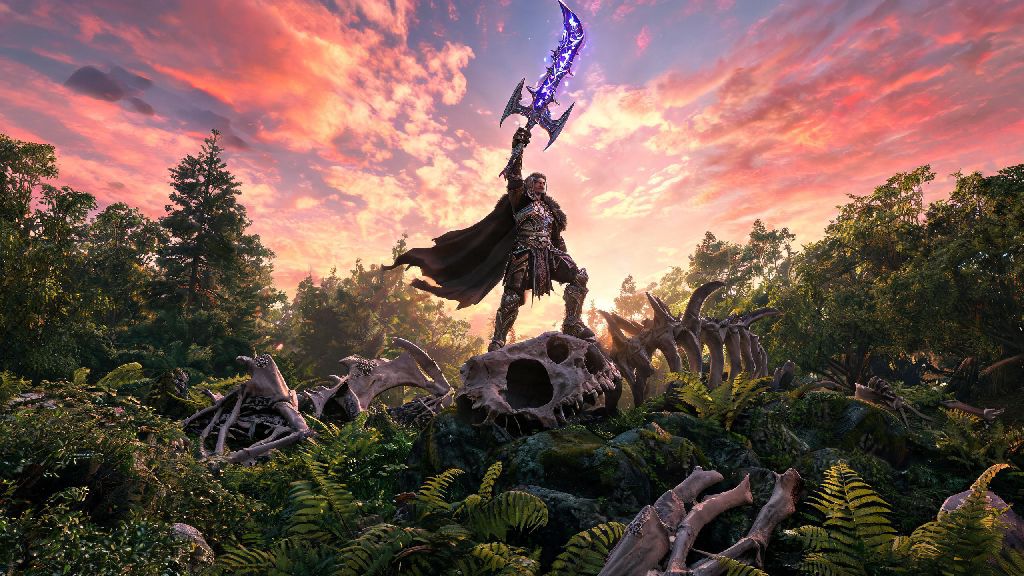
If you’ve spent any time hunting massive wyverns and exploring the untamed biomes of Monster Hunter Wilds, you’ve probably come across mentions of artisan weapons Monster Hunter Wilds players swear by for late-game runs. Unlike mass-produced common weapons, these hand-crafted pieces come with unique perks, hidden stat boosts, and cosmetic flair you can’t get from standard smithing recipes. Many new players skip over them entirely because the crafting requirements seem opaque at first, but putting in the work to unlock these weapons will make even the most threatening tempered monsters feel far more manageable. I’ve spent over 70 hours testing every artisan weapon variant in the game so far, so I’m breaking down everything you need to know to add these powerhouses to your loadout.
What Makes Artisan Weapons Stand Out From Standard Gear
First off, artisan weapons aren’t just reskinned versions of the base weapons you get from the early-game smith. Each variant is designed around a specific monster’s core traits, so the artisan Great Sword based on the new Flameback Anjanath, for example, has a passive that boosts charge attack damage every time you land a hit on a flaming body part. That’s a bonus you won’t find on any standard Anjanath Great Sword, even when fully upgraded. Artisan weapons also have 15% higher maximum affinity caps than their standard counterparts, which means you’re far more likely to land critical hits when running a full crit build. They also come with unique cosmetic skins, including engravings, color-shift finishes, and custom idle animations that make your loadout feel truly personal. The only downside is that they take far more rare materials to craft and upgrade, so you can’t grind them out in a single hunting session.
Core Materials You Need to Craft Artisan Weapons in Monster Hunter Wilds
Before you head out to hunt for artisan weapon materials, it’s important to know that you have to unlock the artisan crafting tree first. You’ll get the quest after you beat the game’s main story and complete 3 tempered monster hunts for the smith in the main hub. Once you unlock the tree, every artisan weapon requires four core rare materials, plus standard monster parts from the monster it’s tied to. Here’s the list of universal required items for every artisan weapon craft:
Many new players waste hours farming the wrong content for these materials, so make sure you’re only running investigations with at least two gold reward boxes if you’re grinding for Artisan Smithing Shards. If you need a break from repetitive farming runs to reset your focus, you can pop into a quick casual game on Spin Winner for 10 minutes before jumping back into hunts, so you don’t burn out halfway through the grind. I’ve found that short breaks between investigation runs make me far more likely to pull off perfect hunts and get the rare drops I need faster.
Optimal Playstyles for Each Artisan Weapon Class
Not every artisan weapon works for every playstyle, so it’s important to pick one that aligns with how you prefer to hunt. For example, the artisan Light Bowgun is perfect for players who like to keep their distance, as it has a passive that reduces recoil for all elemental ammo types by 30%, letting you fire off shots far faster than you can with a standard Light Bowgun. If you main melee weapons, the artisan Dual Blades are easily the strongest pick for general play, as their passive boosts elemental damage by 25% every time you trigger a demon mode combo, which melts even the most resistant elder dragons in minutes. The only artisan weapon I don’t recommend for new players is the Hunting Horn, as its unique passive requires you to memorize 8 new note combinations to unlock its full buff potential, which has a very steep learning curve. Test out a few different variants at the training area before you commit to crafting one, so you don’t waste rare materials on a weapon you won’t use.
Common Mistakes to Avoid When Using Artisan Weapons
Even if you craft the perfect artisan weapon for your playstyle, there are a few common mistakes that can make it feel far less powerful than it actually is. The biggest mistake I see new players make is using the same upgrade path they use for standard weapons. Artisan weapons have two separate upgrade paths: one focused on raw damage, and one focused on elemental damage, and picking the wrong one for your build will negate most of the weapon’s unique perks. You also should never skip unlocking the weapon’s hidden passive slot, which you can do by completing 10 hunts with the weapon equipped. The slot lets you add a custom perk like sharpness boost or faster charge time, which can push your build over the edge for end-game hunts. Another common mistake is forgetting that artisan weapons lose 10% of their damage if you don’t keep them sharpened to the highest sharpness level at all times, so always carry extra whetstones in your item pouch when you head out on hunts.
At the end of the day, putting in the work to craft and upgrade artisan weapons Monster Hunter Wilds offers is one of the most rewarding things you can do in the game’s end-game content. Not only do they make hunts faster and more fun, but they also let you customize your playstyle far more than standard gear ever could. Don’t get discouraged if you don’t get the rare materials you need right away, take your time, experiment with different variants, and you’ll have a loadout that fits your playstyle perfectly in no time.