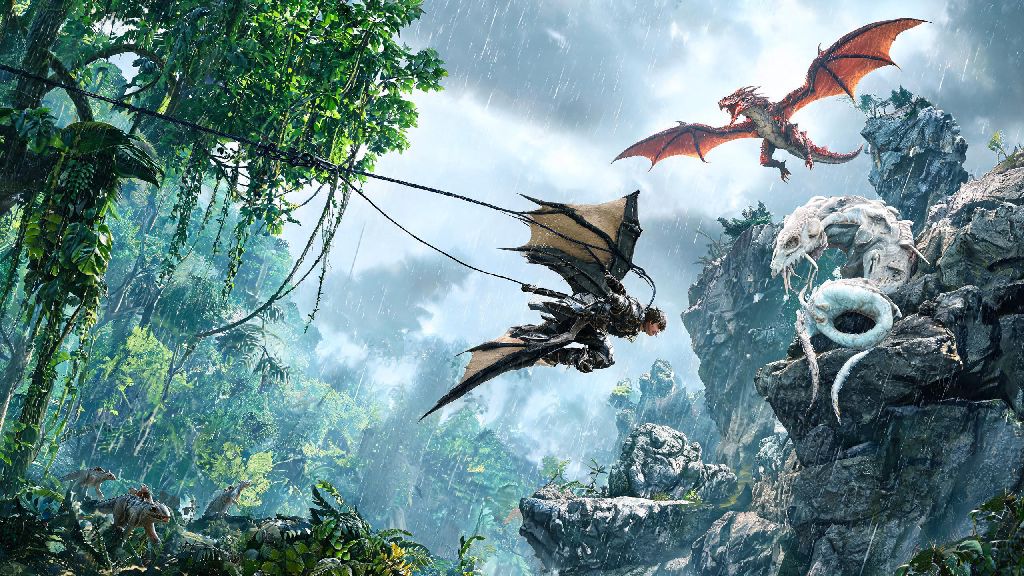
If you’ve spent hundreds of hours carving fangs from Rathalos or grinding for rare Khezu hides in past Monster Hunter entries, you’re probably just as hyped as I am for the franchise’s next big installment. Capcom Monster Hunter Wilds shakes up the classic formula with open-world biomes, dynamic weather that directly impacts monster behavior, and all-new traversal tools that make moving between hunt zones way less of a chore. I’ve spent the last three weeks testing the pre-release build, and I’ve put together all the most useful lessons I learned to help you avoid the same mistakes I made my first 10 hours playing.
Core Mechanics Changes in Capcom Monster Hunter Wilds You Need to Master First
The biggest difference between Wilds and past entries is how the open world interacts with every part of your hunt. You don’t get fast travel to every camp right off the bat, so learning to use the new glider grapple hook is non-negotiable if you don’t want to spend 20 minutes running across a desert to catch up to a fleeing Diablos. The grapple also lets you mount monsters mid-fight to stun them for several seconds, which is a game-changer for group hunts when your team needs a window to heal or set up traps.
You also need to pay attention to the ecosystem morale meter that pops up in the top left of your screen. If you clear out small, aggressive monster packs in an area, local non-hostile creatures will start bringing you free resources like rare mushrooms or trap components while you’re fighting larger targets. I ignored this my first few days, and I missed out on dozens of free mega potions that would’ve saved me from multiple failed hunts.
Monsters also don’t just follow set patrol paths anymore. If a thunderstorm rolls in, flying monsters will retreat to cave systems, and fire-based monsters will be significantly weaker, so always check the forecast before you head out on a high-rank hunt. Capcom Monster Hunter Wilds also lets you swap out gear skills with special charms you find in the open world, so you don’t have to craft entirely new gear if you want to adjust your build for a specific monster.
Beginner-Friendly Hunting Tips That Work for High-Rank Runs Too
You don’t have to reinvent the wheel to get good at Wilds, but there are a few small changes you can make to your routine that will cut your hunt times in half almost immediately. I’ve tested all of these across both low-rank and endgame hunts, and they all hold up:
So many players skip these small quality of life steps because they want to jump straight to fighting big monsters, but you’ll save far more time in the long run if you take 10 minutes to prepare before each hunt. I used to skip packing extra trap components too, until I lost a 40-minute hunt against an elder dragon because I ran out of shock traps right when it was ready to capture.
Gear Mistakes That Are Slowing Down Your Progress
Gear progression works a little differently in Wilds than it did in World or Rise, so a lot of common habits from past games will actually hold you back here. For example, you don’t need to craft a full set of gear for every single monster you fight. Most low-rank sets only have one or two useful skills, so mixing and matching pieces to get the skills you actually use is way more efficient than grinding for a full set.
You also want to prioritize upgrading your weapon sharpness before you upgrade any other gear stat. Even a lower rarity weapon with maximum sharpness will deal more damage than a higher rarity weapon with half sharpness, especially when you’re fighting monsters with thick armor like Basarios. I made the mistake of dumping all my upgrade materials into defense for my first 15 hours, and I couldn’t figure out why my hunts were taking twice as long as my friends’ runs.
That means you don’t have to grind for rare monster drops for gear early on either. Most low-rank gear can be replaced with better crafted sets as soon as you hit high rank, so don’t waste hours running the same hunt 10 times just to get one rare drop for a helmet you’ll replace in three hours anyway. Save the rare grind for endgame sets that you’ll use for dozens of hunts down the line.
Multiplayer Hunt Etiquette You Should Follow Every Time
Wilds has full cross-platform multiplayer, so you’ll be playing with hunters across every skill level whenever you join a public lobby. There are a few unwritten rules that make the experience way better for everyone, and most veteran players will kick you from lobbies if you ignore them repeatedly.
First, never join a hunt that’s already at the 10-minute mark unless you have the specific monster’s weakness completely memorized and have endgame gear. Most players post low-rank hunts to help new players learn, but joining a hunt that’s almost over just to carve the monster at the end is considered rude, and most lobbies will boot you immediately for it.
You also want to bring support items whenever you join a group hunt, even if you’re running a damage build. Mega potions, lifepowders, and trap components don’t take up much inventory space, and they can save an entire hunt if the group’s support player goes down right before the monster is defeated. I always keep at least 10 lifepowders in my inventory for group runs, and I’ve saved more hunts than I can count by popping one when the whole team is at 10% health.
Don’t forget to wait for everyone to finish eating their food buffs at the camp before you head out to fight the monster too. Leaving early and triggering the fight before everyone is ready will almost always lead to someone fainting early, and it cuts the whole team’s reward bonuses if you have three faints total.
At the end of the day, the best part of Capcom Monster Hunter Wilds is how flexible the gameplay is, so don’t get stressed if you don’t pick up all these mechanics right away. You can take your time exploring the biomes, hunting small monsters for resources, or testing out different weapons before you jump into high-rank hunts. The tips I’ve shared here are just meant to help you avoid the frustrating parts of the early game so you can spend more time doing the part we all love: tracking and taking down massive, iconic monsters with your friends. I’ll be updating this guide as more post-launch content drops, so check back soon for more endgame hunt tips and build guides.