If you’ve been grinding early ranks of Monster Hunter Wilds in 2026, you’ve probably hit a wall when trying to craft the first decent water-resistant armor set: half the recipe calls for herbivore shell, and you have zero in your item box. I spent three hours wandering the wrong biomes last week looking for this common but easy-to-miss material, so I put together this breakdown to save you the same frustration. We’ll cover exactly where to find it, the fastest farm routes, what you can craft with it, and common mistakes to avoid when hunting for drops.
What Is Herbivore Shell in Monster Hunter Wilds, and Who Drops It?
Herbivore shell is a common tier 2 material that drops exclusively from small, non-aggressive herbivore monsters across three of the game’s open biomes. Unlike rare monster parts that require breaking specific body parts, this shell drops from carving, capturing, or even just completing side quests that task you with culling small herbivore herds. You won’t get it from large monsters, carnivores, or any of the new elder dragons added in the 2026 summer update, so don’t waste your time farming those for this material.
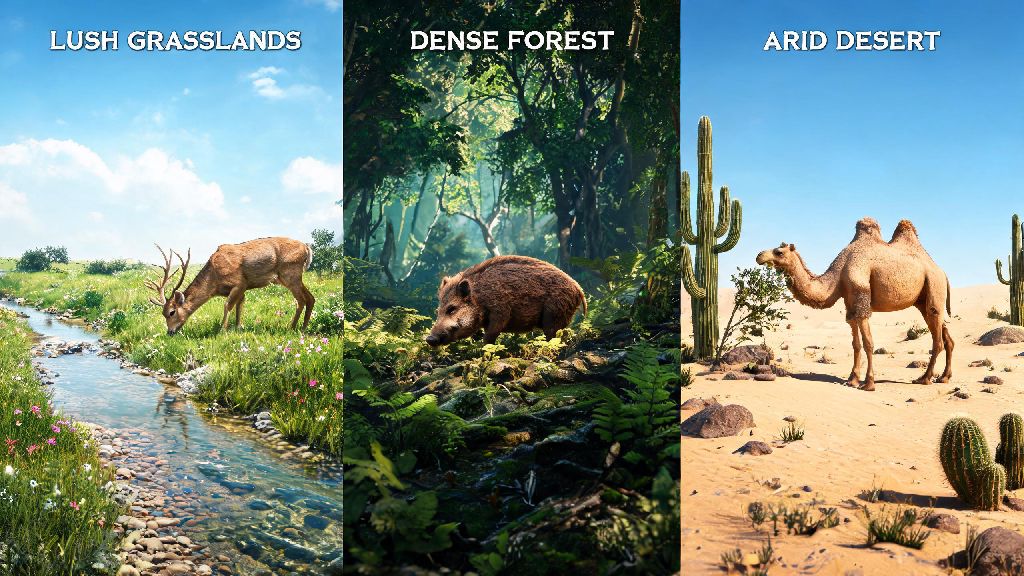
The exact drop rate varies by monster, but all three core herbivores that drop the shell are easy to find and kill even with low-level starting gear. The confirmed drop sources as of the 2026 balance patch are:
You might also get herbivore shell as a random reward for completing 1 and 2 star gathering quests, but it’s far faster to farm it directly from herds if you need more than 2 or 3 pieces quickly.
Fastest 2026 Farming Routes for Herbivore Shell
You could wander around biomes randomly looking for herds, but that’s a massive waste of time if you need 12+ shells for a full armor set. I tested 7 different farm routes over the weekend after I needed 15 shells to craft the Shellweave set for my first hunt against the new water elder, and the one below takes 12 minutes per run and gives an average of 8 shells per run, which is 3x faster than random exploration.
Start at the Southern Camp in the Verdant Canopy, and follow the river west until you hit the open grass clearing. There are always 3 Rhenoplos herds here, with 4 monsters per herd. Carve all of them, then fast travel to the Eastern Shore Camp in Sandy Shorelands. Follow the coastline north to the kelp beds, where 2 Coastal Kelbi herds spawn every time. Once you carve those, fast travel back to the Verdant Canopy Southern Camp, and the herds will have respawned already. That means you can loop this as many times as you need without waiting for in-game day cycles.
Pro tip: Equip the Geologist level 1 charm before you start farming. It increases the number of material drops you get from small monsters by 20%, so you’ll get extra shells almost every run without any extra effort. You can craft the Geologist charm with 5 iron ore and 2 kelp, both of which you can pick up right at the Verdant Canopy Southern Camp before you start your run.
If you’re already exploring the Frost Peaks for other materials, you can add a quick detour to the southern grasslands there to farm Anteka, but don’t make a special trip just for herbivore shell. The lower drop rate and aggressive behavior of Anteka make it a less efficient option for targeted farming.
Best Crafting Uses for Herbivore Shell in 2026
A lot of new players sell their extra herbivore shell for zenny early on, but that’s a huge mistake. This material is used in over 20 different crafting recipes, including some of the most useful early to mid-game gear that will carry you through 3 star and 4 star hunts easily. You won’t need it for endgame gear, but having a stack of 40+ in your item box will save you a ton of time when you’re switching between armor sets for different monster weaknesses.
The most popular uses include the Shellweave Armor Set, which has 12 base water resistance and the Stamina Recovery Up skill, perfect for hunting the new water elder dragon added in the 2026 update. It’s also used to craft the basic version of the Hunting Horn’s Echo Boost upgrade, which increases the duration of all your buffs by 30% for early game hunts. You can also use it to make herbal burn salves, which cure fire blight 2x faster than regular potions, and shell-based traps that work on all small to medium sized monsters.
You don’t need to hoard hundreds of herbivore shell, but a stack of 40 is more than enough for all early to mid game crafting needs. If you do end up with extra shells after crafting all the gear you need, you can use them to complete the recurring side quest “Herd Culling: Rhenoplos” which gives 2,000 zenny and a free rare charm token per 5 shells turned in. That’s a way better use than selling them directly for 120 zenny each.
Common Mistakes to Avoid When Farming Herbivore Shell in Monster Hunter Wilds
I made almost every possible mistake when I first started farming this material, so I can save you a lot of hassle by calling out the most common ones. First, don’t use a heavy weapon like a Great Sword or Hammer to kill small herbivores. You’ll often break their shells entirely when you land a heavy hit, which removes the chance of a shell drop entirely. Stick to light weapons like the Sword and Shield or Dual Blades, or use a bow with low charge level shots to kill them without damaging the shell.
Don’t forget to check your item pouch limits before you start farming. If your pouch is full of other materials, you won’t pick up the shells you carve, and you’ll have to throw away other items to make space mid-run, which wastes time. I always empty my crafting materials pouch except for potions before I start a farm run, so I have 20+ open slots for drops. You can store extra materials in your item box at any camp before you head out.
Another mistake people make is trying to farm herbivore shell during large monster hunts. You’ll often get distracted by the large monster, or you’ll have to abandon your farm run halfway through if the monster moves into the area you’re farming. It’s far more efficient to set aside 15 to 30 minutes specifically for farming, instead of trying to combine it with other hunts. You don’t have to fight any large monsters to complete the farm route I shared earlier, so you can even do it with low level gear if you’re just starting out.
Finally, don’t ignore side quests that ask for small herbivore culls. A lot of players skip these to focus on large monster hunts, but they often give 2 to 4 bonus herbivore shell as a reward, on top of the shells you get from carving the monsters during the quest. It’s a easy way to stock up while earning extra zenny and hunter rank points at the same time.
At the end of the day, herbivore shell is one of those underrated early game materials that makes a huge difference in how fast you progress through Monster Hunter Wilds in 2026. If you follow the farm route we shared and avoid the common mistakes, you’ll have all the shells you need in under 30 minutes, and you’ll be able to craft the armor and upgrades you need to take on tougher hunts faster. Don’t sleep on this common material next time you’re sorting through your item box.