If you’ve spent hours grinding for rare monster parts or chasing that perfect armor set in Monster Hunter Wilds, you’ve probably wondered if there’s a way to cut down on tedious busywork without breaking the whole game loop. That’s where a Monster Hunter Wilds cheat engine table comes in, but it’s not as simple as downloading the first file you find online. I’ve been playing Monster Hunter games for over 12 years, and I’ve used cheat engine tables for every mainline release since Monster Hunter World, so I know exactly what to look for and what mistakes to avoid. I’ve tested dozens of tables over the past few months, both in offline single player and private lobbies, and I’ve put together all the do’s and don’ts you need to know to stay safe and get the most out of these tools.
What a Monster Hunter Wilds Cheat Engine Table Actually Does
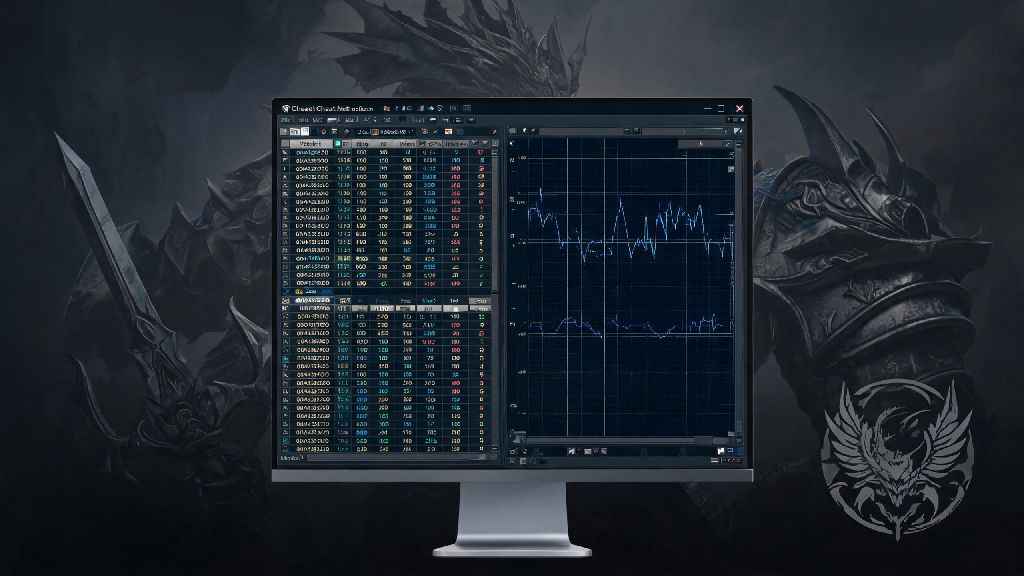
Cheat Engine is an open-source tool that lets you modify memory values for local programs running on your computer, and custom tables for specific games come pre-loaded with pre-configured tweaks you can toggle on and off with one click. Most reputable tables are built exclusively for offline single-player use, and they rarely focus on the aggressive, game-breaking cheats you might associate with the term “hacks”. A well-made Monster Hunter Wilds cheat engine table won’t force you to use aggressive cheats, either—most let you pick and choose exactly which tweaks you want to activate, so you can tailor it to your playstyle.
Tables work by modifying values stored on your local game install, not data stored on Capcom’s servers, so they won’t affect other players unless you intentionally use them in online lobbies. That said, Capcom’s anti-cheat system will flag modified memory values any time you’re connected to official servers, even if you’re only using harmless QoL tweaks. It’s critical to understand that even small changes can lead to a permanent account ban if you use them while connected to online services, no matter how innocent they seem.
Key Features to Look for in a Reliable Table
Not all tables are created equal, and picking a poorly made one can lead to corrupted saves or unexpected bans even if you only play offline. When you’re browsing options, prioritize tables that have these core features:
I’ve had tables crash my game mid-hunt before because the developer abandoned it after the first month of launch, so checking the last update date before you download is non-negotiable. If a table promises “unlimited online god mode” or other obvious anti-cheat violating features, skip it entirely—those are almost always loaded with malware or designed to get your account banned. For players who have already beaten the game once and just want to mess around with weird builds, a Monster Hunter Wilds cheat engine table can add dozens of hours of extra fun that you wouldn’t get playing vanilla.
Step-by-Step Safe Setup for Your Table
Setting up your table correctly eliminates 99% of the risks associated with using these tools, and the whole process only takes 5 minutes if you follow these steps. Always back up your local save file before installing any cheat engine table, even if it’s from a trusted source. Corrupted saves are rare, but losing 100+ hours of progress over a small tweak is not worth the risk. You can find your save file in your PC’s Documents folder under the Capcom > Monster Hunter Wilds subfolder, just copy the whole folder to a separate location on your hard drive before you start.
Next, install the latest official version of Cheat Engine from the developer’s site, not a random third party download site that might bundle adware. Once Cheat Engine is installed, launch Monster Hunter Wilds first, load into your single player offline camp, then open Cheat Engine and attach it to the game process using the computer icon in the top left corner of the Cheat Engine window. Then load the table file, and double check that the offline lock toggle is enabled before you activate any functions.
I usually test the infinite consumable tweak first on a low rank hunt to make sure it doesn’t mess with my item storage, then add other tweaks one by one as I confirm they’re stable. Never activate any table functions while you’re on the main menu or connected to online services, even if you’re just joining a friend’s private lobby to show off your gear. Capcom’s anti-cheat scans for modified memory values any time you’re connected to their servers, and even non-aggressive QoL tweaks can lead to a permanent account ban. If you run into issues where the table doesn’t load correctly, double check that both your game version and Cheat Engine version match the versions the table developer specified. Most tables won’t work with older versions of the game, so make sure you’ve installed all official updates before you try to load your Monster Hunter Wilds cheat engine table.
Pros and Cons of Using a Cheat Engine Table for Monster Hunter Wilds
The biggest benefit for most players is cutting down on tedious grind that doesn’t add to the fun. If you’re a working adult who only has 2-3 hours a week to play, you don’t want to spend 2 of those hours replaying the same hunt 15 times just to get one rare plate to build your favorite armor set. Tables also let you tweak mechanics you find frustrating, like removing the stamina penalty for carrying heavy items or disabling weather effects that make hunts more annoying than challenging. I personally use a table to remove the 10-minute wait time for rare monster spawns in the endgame, which lets me fit 2 full hunts into my evening play sessions instead of just one.
That said, there are real downsides to consider before you start using a table. The biggest one is that overusing cheats can completely ruin the core gameplay loop that makes Monster Hunter fun. If you turn on one-hit kills and infinite health, you’ll beat every monster in the game in a few hours and have no reason to keep playing. There’s also the risk of account bans if you mess up and use tweaks online, or corrupted saves if you use a bad table. I’ve seen players burn out on the game in a week after using aggressive cheats, so I always recommend sticking to just 2 or 3 QoL tweaks maximum, and leaving the core combat and hunt difficulty untouched.
You also won’t be able to unlock many of the game’s hidden achievements if you use certain tweaks, so if you’re someone who cares about 100% completing the game, you’ll want to avoid using any tweaks that affect quest completion or item acquisition. You should also never use a table to gain an advantage over other players in online lobbies, even if you think it’s harmless. It ruins the experience for everyone else, and it’s the fastest way to get your account banned permanently.
At the end of the day, a Monster Hunter Wilds cheat engine table is a tool, and it’s up to you to use it responsibly. If you stick to reputable, updated tables, only use them offline, and limit your tweaks to small QoL changes that fix parts of the game you find frustrating, you can get way more enjoyment out of your hunting sessions without ruining the challenge or risking your account. Don’t let anyone shame you for using small tweaks to make the game fit your schedule, but also don’t go overboard and remove all the parts that make Monster Hunter Wilds such a satisfying game to play.