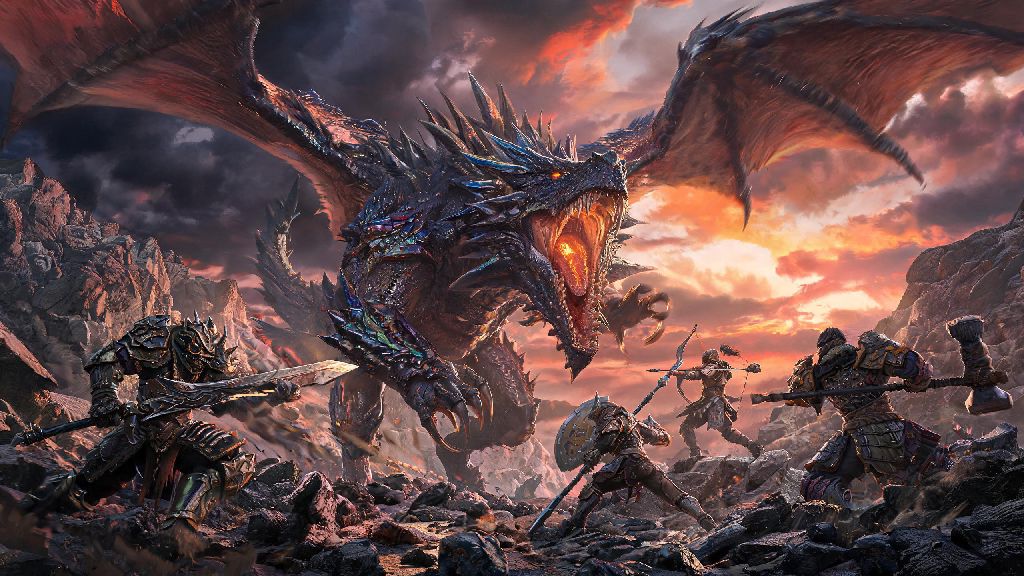
If you’ve ever stared down a rampaging elder dragon solo and wished you had a teammate to tank hits while you land that perfect greatsword charge, you already know how much fun monster hunter wilds coop can be. It’s not just about having extra people swinging weapons at a monster, though. Badly coordinated teams can waste 40 minutes on a hunt, run out of supplies, and get triple carted before you even get a monster to limp. I’ve put over 120 hours into the game already, most of it playing coop with friends and random lobbies, and I’ve seen every possible mistake first hand. This guide breaks down everything you need to know to run smooth, successful hunts no matter who you’re playing with.
How to Set Up and Join Monster Hunter Wilds Coop Lobbies Correctly
Many new players skip over the fine print when creating or joining lobbies, and that small oversight leads to 90% of frustrating coop experiences. When creating a lobby, first pick a clear objective tag, like “farming Anjanath parts” or “practicing endgame hunts”, so players know what to expect before they join. You can also set a password if you only want to play with friends, or enable crossplay if you have friends on other consoles. Always check the quest rank before joining a lobby, because if you’re HR 3 and join a HR 7 hunt, you’ll get one-shot even with decent gear. This small step cuts down on the number of unqualified players joining your monster hunter wilds coop lobby, and makes hunts far more efficient. If you’re joining a random lobby that’s already in the middle of a hunt, wait until the current quest ends before jumping into the action, or make sure you have a full stock of healing items if you join mid-fight.
Role Coordination for Smooth Coop Hunts
You don’t need to run a perfectly optimized meta team to have a successful hunt, but avoiding overlapping weapon roles will make every hunt run twice as fast. For example, four players all using hammers will waste a lot of time competing for stuns, and no one will be able to cut the monster’s tail for extra drops. You don’t need to assign formal roles, but communicating your weapon choice before the hunt starts avoids overlap. If you’re not sure what roles your team needs, here’s a simple breakdown of the most useful playstyles for any hunt:
Unwritten Coop Etiquette All Hunters Should Follow
The game doesn’t tell you these rules, but they’re standard across almost every active player community, and following them will make you a welcome addition to any lobby. First, don’t carve monsters while the rest of the team is still fighting — if a monster runs to a new area, follow it instead of stopping to carve a broken part, because the rest of the team is stuck fighting it short-handed. Second, don’t use large barrel bombs when the monster is stunned, because you’ll blow up your teammates and interrupt their high-damage attack combos. If you want to use bombs for extra damage, wait until the team is ready, or type a quick heads up in chat before placing them. Third, always bring at least 10 potions and 5 lifepowders to every hunt, even if you’re a damage dealer. Lifepowders heal the whole team, and they can save a hunt when everyone is low on health. Fourth, if you cart twice, play more defensively for the rest of the hunt — the third cart ends the whole quest for everyone, so it’s not worth risking it to land one extra hit. These small rules are universal across almost all monster hunter wilds coop communities, so following them will make you a welcome addition to any lobby.
Common Coop Mistakes That Ruin Hunts (And How to Fix Them)
Even experienced players make these mistakes sometimes, and they can turn a simple hunt into a frustrating grind. The most common mistake I see is overaggroing the monster when you’re playing a ranged class. If you’re using a bow, don’t spam shots from right next to the monster, because you’ll pull aggro away from the tank, and the monster will start chasing you all over the map, wasting everyone’s time. Fix that by staying 10-15 feet away from the monster, and pausing your attacks for a few seconds if the tank is trying to draw aggro back. Another common mistake is forgetting to use lifepowders when multiple teammates are low on health. I’ve seen hunts end because one person had 3 lifepowders in their pouch and didn’t use them when three people were at 10% health. Fix that by binding lifepowder to a quick access slot so you can use it in half a second. Third, not matching your weapon element to the monster’s weakness. If you’re hunting a fire weak monster, bring a water element weapon instead of your default fire one, because you’ll deal 30% more damage, and the hunt will go twice as fast. You can check a monster's element weakness in the hunter’s notes before you join a hunt, it only takes 10 seconds and makes a huge difference. If you’re new to coop, don’t be afraid to ask for tips — most veteran players are happy to explain mechanics or give you advice on gear builds.
At the end of the day, monster hunter wilds coop is supposed to be fun, not a stressful grind where you’re yelling at your teammates for making mistakes. Even if you’re playing with randoms, a little communication, preparation, and respect for etiquette will make almost every hunt run smoothly. You don’t need to be a pro player to be a great coop teammate, just come prepared, pay attention to what the team needs, and don’t be afraid to adjust your playstyle. Next time you load up the game, grab a few friends, test out the role tips we covered, and see how much faster you can take down your target. Happy hunting.