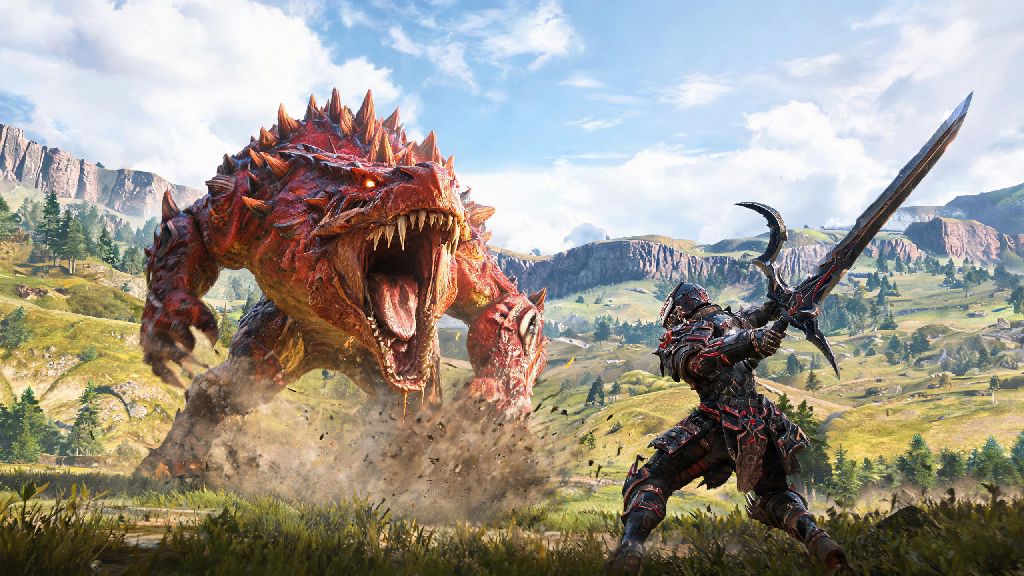
After sinking 120+ hours into the latest Monster Hunter entry, I can tell you that the jump from low rank to Monster Hunter Wilds high rank is the biggest difficulty spike most players will face in their first playthrough. You’ve spent 30+ hours grinding low rank monsters, tweaking your first build, and getting used to the new wirebug mechanics and open world zones, only to hit a wall where a single Anjanath charge can one-shot you even with fully upgraded low rank armor. It’s frustrating, I know, but it doesn’t have to be that hard. I’ve put together all the tricks I used to grind from HR 1 to HR 50 in under 30 hours without hitting constant game over screens, so you can spend less time carting and more time hunting the rare endgame monsters you’ve been seeing clips of online.
What Unlocks When You Reach Monster Hunter Wilds High Rank?
A lot of new players assume high rank just makes existing monsters hit harder and have more health, but that’s only a small part of what you get access to. First, you’ll unlock high rank exclusive monster variants that don’t appear in low rank at all, including tempered monsters, apex variants, and eventually elder dragons that have completely unique attack patterns and loot pools. You’ll also get access to rare tier 4 and 5 crafting materials that let you build the strongest armor and weapons in the game, with way better skill combinations than anything available in low rank.
You’ll also unlock level 3 and 4 decoration slots on high rank armor, which let you slot in powerful skills that can completely change how your build plays, like maximum might or critical boost. High rank also opens up new areas of the open world map that were locked off in low rank, including volcanic zones and icy mountain peaks that house exclusive monsters and gathering nodes. One thing I noticed that a lot of new players miss is that high rank also unlocks the ability to join random co-op sessions for HR missions, which is a great way to learn fight patterns from more experienced players if you’re stuck on a particular monster. Just don’t be that guy who joins a HR 40 mission with base low rank armor – you’ll get kicked immediately, and rightfully so, because you’ll just cart three times and fail the mission for everyone.
First 3 Things to Do When You Unlock High Rank
When you first get the notification that you’ve unlocked high rank, it’s easy to get overwhelmed by all the new quests and crafting options popping up on your screen. After testing a bunch of different approaches on my own playthrough and helping three friends grind through HR, I’ve found these three steps are the best way to set yourself up for success without wasting hours on useless gear or materials.
I made the mistake of ignoring these steps when I first unlocked HR, and I wasted almost four hours crafting three different low HR armor sets that I ended up replacing within 10 hours. I also ran out of mega potions during my first HR Rathalos hunt, and I had to spend 10 minutes running around the map gathering herbs mid-fight while my team got mad at me. Don’t make the same mistakes I did – knock these three steps out first, and you’ll have a way smoother experience.
How to Farm HR Points and Rare Materials Fast
Progressing through HR ranks fast means you need to balance earning HR points to unlock higher level missions, and farming rare materials to craft better gear to take on those harder missions. The fastest way to earn HR points by far is running event quests, which are limited-time missions that give 2-3 times the HR points of regular missions, and often have boosted drop rates for rare materials. Check the event quest tab every time you log in, because there’s almost always a quest that lets you farm a specific monster’s rare parts way faster than regular hunts.
Another great way to farm both HR points and rare materials is running investigation quests with silver or gold reward boxes. These quests have extra objectives like hunting a monster in under 10 minutes or using only a specific weapon type, and they give way more rewards than regular quests. I’ve gotten three rare elder dragon materials from a single gold box investigation, which would have taken me 5+ regular hunts to get otherwise. If you’re comfortable playing co-op, joining a 4-player squad running investigations is 30% faster than solo hunting, because the monster’s health only scales 2.5 times for 4 players, so you can burn through hunts super fast.
One small hack a lot of players miss is eating the HR point boost dango before every hunt. It only costs a few extra zenny, and it gives you a 20% boost to all HR points earned for that mission, which adds up really fast over dozens of hunts. You should also save your HR vouchers for high level elder dragon hunts, because they double the HR points you earn for that mission, and you only get a limited number of them from side quests. Don’t waste them on low level HR hunts, it’s not worth it.
Common High Rank Mistakes to Avoid
Even if you follow all the tips above, you’ll still run into trouble if you make these common mistakes that 90% of new HR players fall for. The first mistake is only looking at armor defense stats, and ignoring elemental resistances. High rank monsters deal 2-3 times more elemental damage than low rank variants, so even if you have 100 more defense than a lower level set, if you have -20 fire resistance fighting an Anjanath, you’ll still get one-shot by its fire breath. Always check the elemental resistance of a monster before you hunt it, and swap to an armor set that has high resistance to that element if you can.
Another super common mistake is not upgrading your talisman as soon as you unlock high rank. High rank lets you upgrade your existing talismans to add extra skill points and decoration slots, which can give you a huge boost to your build for almost no cost. I had a low rank talisman with attack boost 2 that I upgraded to attack boost 4 with a level 2 decoration slot in HR, which gave me enough extra skill points to fit in maximum might 3 on my build without changing any armor pieces. So many players completely forget about talisman upgrades, and they miss out on a ton of free power.
The last big mistake is still using low rank fight patterns for HR monsters. Almost every high rank monster has 2-3 new attacks that don’t appear in low rank, and their existing attacks have shorter windups and bigger hitboxes. For example, HR Tobi-Kadachi has a new double tail swipe attack that covers twice the range of its low rank version, so you can’t just stand behind it and attack like you used to. I learned that the hard way after getting hit three times in a row during my first HR Tobi hunt. Take the first two minutes of every new HR monster hunt to just watch its attack patterns, instead of rushing in to deal damage immediately. It will save you from a ton of unnecessary carts.
At the end of the day, Monster Hunter Wilds high rank is meant to be challenging, not impossible. The tips I’ve laid out here will help you skip the frustrating trial and error phase most players go through, so you can get straight to hunting the strongest monsters and crafting the best builds in the game. Don’t get discouraged if you cart a few times when you first start out – even the most veteran MH players take a few tries to get used to the new attack patterns and damage values. If you put these tips into practice on your next play session, you’ll be surprised how fast you progress through the HR ranks.