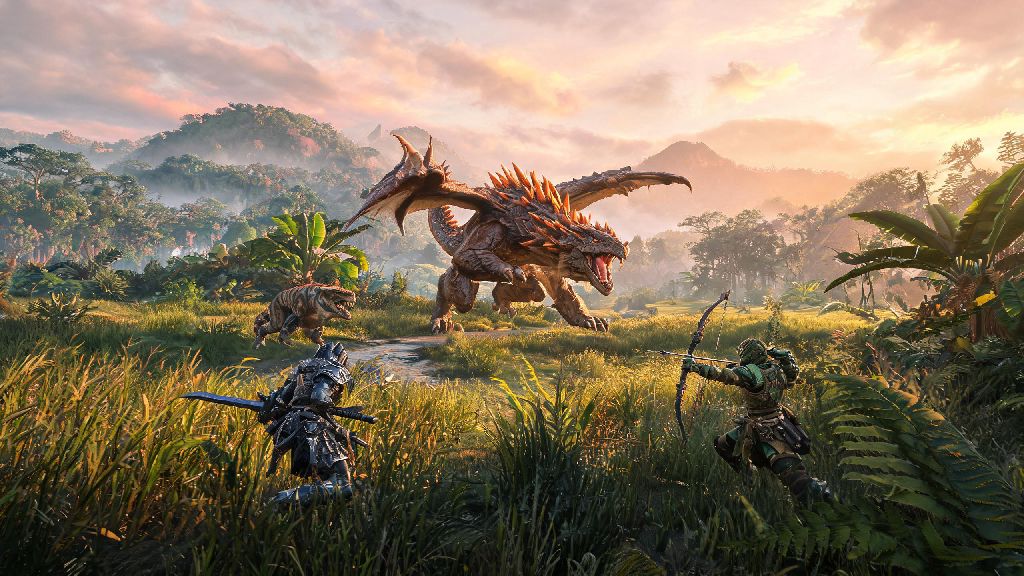
2026’s biggest PC action RPG launch has finally arrived, and Steam Monster Hunter Wilds is already breaking concurrent player records for the franchise. If you’re jumping in for the first time, or coming back after years of playing Monster Hunter Rise or World, you’ll notice a ton of new mechanics, sprawling open-world zones, and monster variants that change how you approach every hunt. I’ve put 120 hours into the Steam build over the past two weeks of early access, so I’m breaking down the most useful tips I wish I knew before I started, to save you hours of grinding and failed hunts.
Key Steam Monster Hunter Wilds Exclusive Features You Should Use First
A lot of players skip platform-specific features when they boot up a new game, but the Steam release of Wilds has several tools that make hunts way smoother than console versions. First, Steam Workshop custom quest support is a game changer, because Capcom officially endorsed it this year, so you can download free post-game hunts, custom event quests, and quality of life mods made by the community without worrying about account bans. Just stick to mods tagged as “Capcom approved” if you want to avoid restrictions on online play.
Second, Steam Cloud cross-save between PC and Steam Deck works flawlessly right out of the box. I play on my desktop when I’m home, and pick up hunts on my Deck when I’m commuting or visiting friends, no lost progress at all, just make sure you enable the sync option in the game’s main menu before you close it. The Steam overlay also has a built-in hunt timer and weak point reference that you can pin to your screen without tabbing out, which is way more convenient than using a second screen or phone to look up monster info mid-fight. Deluxe edition buyers also get an exclusive Steam-themed palico armor set that gives your cat a tiny Steam controller as a weapon, it’s purely cosmetic but it’s a fun little touch you can’t get on other platforms.
Beginner Gear Builds That Work For Every Low-Rank Hunt
One of the biggest mistakes I made when I first started was wasting 6 hours grinding for a rare Anjanath gem for a low-rank sword, only to replace it 2 hours later when I hit high rank. You don’t need to chase meta builds or rare gear in the first 15 hours of the game, just stick to easy-to-farm sets that carry you through to high rank without extra grind. The first set you should craft is the Kulu-Ya-Ku bone armor set – it gives you +15 stamina, +10 attack, and a bonus that makes you run 20% faster while carrying eggs or gathering materials, which is perfect for the early game side quests that ask you to collect resources around the map.
For your first weapon, go with the Pukei-Pukei weapon line regardless of your preferred weapon type. The poison damage it deals works on 90% of low-rank monsters, and you don’t have to upgrade it more than twice to carry you through to the start of high rank. If you’re a bow or gunlance user, this line also gives you extra ammo capacity, so you don’t have to restock as often during long hunts. When you’re picking skills for your early builds, prioritize these three above all else:
You can swap these out for more damage-focused skills once you hit high rank and have a better grasp of how to avoid monster attacks, but these will keep you alive and reduce busywork in the early game.
How to Find and Beat The First Three Hidden Apex Monsters
Wilds’ open world has three hidden apex monsters that don’t show up on your map until you complete specific side quests, and they drop rare materials that let you craft endgame gear 10 hours earlier than normal. First, Apex Arzuros spawns in the northern forest zone after you complete the three side quests for the village chef. Its weak point is its belly, hit that with blunt damage if you’re using a hammer or hunting horn, and you’ll stun it twice per hunt to get extra damage windows.
Second, Apex Rathian spawns in the volcanic zone after you collect 10 rare flame lilies that grow near the edge of lava pools. It’s weak to ice damage, and you should avoid its tail sweep at all costs – it deals 70% of your health in one hit even with decently upgraded high-rank armor. Third, Apex Lagiacrus spawns in the coastal zone after you complete all five fishing side quests for the village fisherman. It’s weak to thunder damage, and it drops materials that let you craft a water-resistant armor set perfect for exploring the deep sea zones added in the first 2026 post-launch patch.
Always bring 3 farcasters and 5 max potions when you go after these apex monsters, because they don’t leave the zone if you fast travel away to restock, so you can heal up and come back without losing progress. These monsters are 20% harder than regular story monsters, but the materials are well worth the effort – the armor you craft from their parts gives you +20% damage against all dragon-type monsters, which makes the final story boss fight way easier.
Common Mistakes New Players Make That Slow Their Progress
I spend a lot of time browsing the Steam community hub for Wilds, and I see the same mistakes pop up over and over again from new players. First, returning players from World often ignore the new wirebug moves added for every weapon type. The new wirebug skills let you deal 30% more damage and dodge attacks you couldn’t avoid with old moves, so spend 10 minutes in the training area testing all of your weapon’s new skills before you start your first hunt.
Second, most players don’t use the environment to their advantage. The open world has things like falling boulders, poison ivy patches, and trapped mammoths that you can trigger to deal massive damage to monsters without attacking them yourself. I once took down a full health Barroth by luring it under a boulder that fell and dealt 60% of its health in one hit, that saved me 15 minutes of fighting. Third, a lot of players rush the main story and skip side quests entirely, but side quests give you permanent upgrades like extra stamina, extra item slots, and access to better merchants in the village.
The village carpenter side quest line gives you a free infinite whetstone once you complete all of it, so you never have to buy whetstones or worry about running out mid-hunt, that’s a huge quality of life upgrade. The last common mistake is trying to beat every tough monster solo. The Steam matchmaking is really fast, you can join a random hunt in less than 10 seconds, and most experienced players are happy to help new players beat hard monsters, so don’t be afraid to send a join request if you’re stuck on a fight.
At the end of the day, Steam Monster Hunter Wilds is all about having fun, whether you’re grinding for rare gear with friends or exploring the open world solo. The tips I shared above will help you skip the most frustrating parts of the early game, so you can focus on the parts that make the franchise so beloved: epic hunts, satisfying gear progression, and endless post-game content. If you have your own favorite tips, drop them in the comments below, I’d love to test them out on my next playthrough.