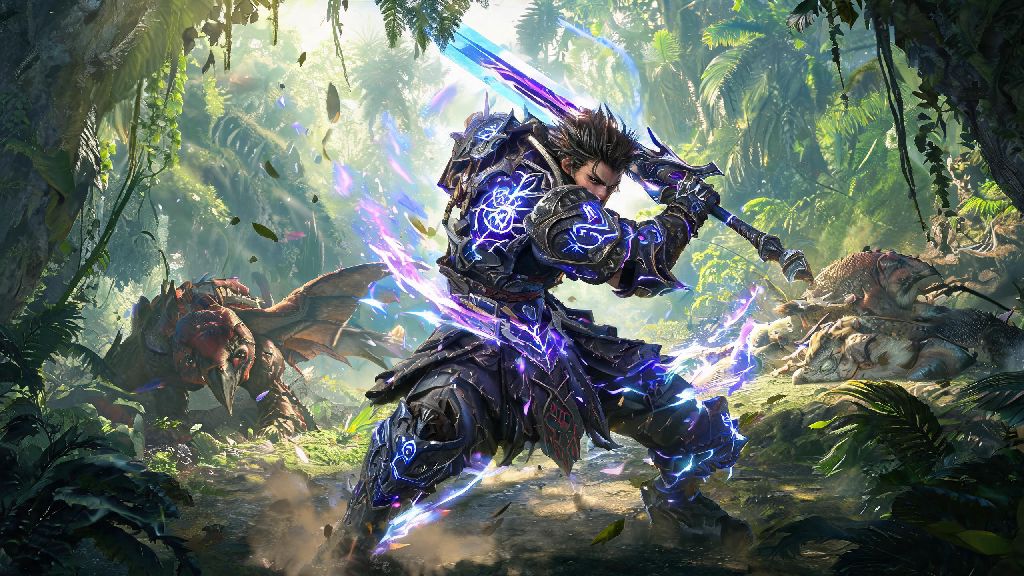
If you’ve been grinding Monster Hunter Wilds since its 2025 launch, you’ve probably noticed a big shift in the 2026 meta around stat prioritization. A lot of new players fixate on raw attack power first, but the stat that makes the biggest difference in consistent, fast hunt times is often overlooked: monster hunter wilds affinity. I’ve put together over 100 builds for my clan this year, and every single endgame viable loadout puts affinity at the top of its priority list, no matter what weapon type you main. You don’t need fancy rare gear to make the most of it either, even small tweaks to your existing build can cut your hunt times by 20% or more.
What Is Monster Hunter Wilds Affinity, And Why Does It Matter For 2026 Builds?
For anyone new to the Monster Hunter franchise, affinity is the game’s version of critical hit chance, expressed as a percentage. If you have 30% affinity, 3 out of every 10 hits you land will be critical strikes, which deal 25% extra base damage, and even more if you run the Crit Boost skill. Negative affinity works the opposite way: if you have -20% affinity, 2 out of 10 hits will deal 25% less damage than normal. Affinity is the single most impactful stat for consistent damage output in 2026's meta, because Capcom adjusted the damage calculation this year to make critical hits apply to both raw and elemental damage, unlike the launch version where elemental builds got less value from affinity. That means even if you main a bow or dual blades that rely on elemental damage, stacking affinity is just as important as it is for greatsword or hammer users. You’ll notice the difference immediately too: once you hit 70%+ affinity, you’ll see far fewer weak hits when you’re targeting monster weak points, and hunts that used to take 20 minutes will drop to 15 or less.
Easy Ways To Stack Affinity For Both Early And Endgame Loadouts
You don’t need to grind for weeks for rare endgame charms to get solid affinity numbers. There are dozens of low-effort, high-reward ways to stack affinity that work for every stage of the game, whether you’re just finishing the main story or tackling the new 2026 Elder Dragon fights. The best part is most of these sources don’t require you to sacrifice raw attack power to get them, so you get the best of both worlds.
For endgame builds, you can add extra affinity from Rank 7 Critical Eye (20% flat affinity) and the new Affinity Booster item that gives 30% affinity for 90 seconds on use. You don't need to hit 100% affinity to see massive gains either: even 50% affinity means half your hits will crit, which is a huge upgrade over running zero affinity at all. I usually aim for 70% affinity with Weakness Exploit active, which gives me almost 3 out of 4 crits when I’m hitting weak points, without wasting skill slots on unnecessary extra affinity.
Common Affinity Mistakes To Avoid In 2026's Updated Meta
As much as affinity is a powerful stat, it’s easy to make mistakes that waste its potential, or even make your build worse. I’ve seen hundreds of players make these same mistakes this year, so it’s worth calling them out to save you time and zenny. First, don’t run negative affinity weapons without offsetting the penalty. The new Diablos hammer, for example, has 210 raw attack, which is 20 more than the next best hammer, but it has -30% affinity. If you don’t run skills to cancel out that negative affinity, you’ll lose more damage from the negative crits than you gain from the extra raw. Negative affinity cuts your damage by 25% on critting hits, so it's always worth offsetting even if you get a small raw damage boost. I made this mistake myself when the Diablos gear dropped earlier this year: I ran the hammer for 3 weeks without fixing the negative affinity, and my hunt times were 22% longer than when I swapped to a 190 raw hammer with 15% positive affinity. Another common mistake is stacking affinity past the 100% cap. There’s no benefit to having 120% affinity, so if you’re already hitting 100% with Weakness Exploit active, swap those extra Critical Eye skill slots for something more useful, like Crit Boost or Attack Up. You can check your total affinity in the new 2026 build preview menu, so you don’t have to do the math yourself. Finally, don’t sleep on affinity for support builds. Even if you’re running a hunting horn build to buff your team, stacking affinity means your buffs proc more often, and you can still contribute solid damage while you’re supporting. I run a 60% affinity hunting horn build for clan raids, and I usually deal almost as much damage as our greatsword main, while still keeping the team buffed the entire time.
How To Test Your Affinity Builds Before Jumping Into Endgame Hunts
The worst feeling is grinding for hours to make a new build, only to get into an Elder Dragon hunt and realize your affinity isn’t proccing as much as you expected. Luckily, there are a few easy ways to test your build before you waste time on a failed hunt. First, use the updated 2026 training area. The training dummy now has a built-in stat tracker that shows you exactly how many crits you landed over your testing session, so you can hit the dummy for 5 minutes and see if your affinity percentage matches what your build says it should be. If it’s lower than expected, you might have missed a skill or a weapon affinity penalty you didn’t notice. The training area log is the most underrated tool for optimizing affinity builds in 2026, and I use it every time I put together a new build. Next, test your build on a low rank monster first. Great Jagras is perfect for this, because its head weak point is huge and easy to hit consistently. Run a quick hunt, count how many of your hits are crits, and see if the damage feels consistent. If you’re missing a lot of crits, you might need to adjust your build to stack more flat affinity instead of relying on Weakness Exploit, especially if you’re fighting a monster with hard to reach weak points. Finally, use the in-game build simulator to test different combinations before you spend materials upgrading gear. The 2026 update added a full build simulator that lets you see your total affinity, attack, and defense before you craft any gear, so you can experiment with different combinations without wasting rare materials. I use this all the time to test new builds for event quests, and it’s saved me dozens of hours of grinding for materials I don’t need.
At the end of the day, optimizing your monster hunter wilds affinity build doesn’t have to be complicated, even for new players. Start small with the easy affinity sources we talked about, like Weakness Exploit and food buffs, and build from there as you get more gear. You don’t have to chase the meta 100% affinity build right away, even small upgrades will make a huge difference in your hunt times. I’ve seen players go from struggling to beat 3 star quests to clearing endgame Elder Dragons in under 15 minutes, just by making a few simple tweaks to their affinity setup. If you have a favorite affinity build that works for you, drop it in the comments below, I’d love to check it out.