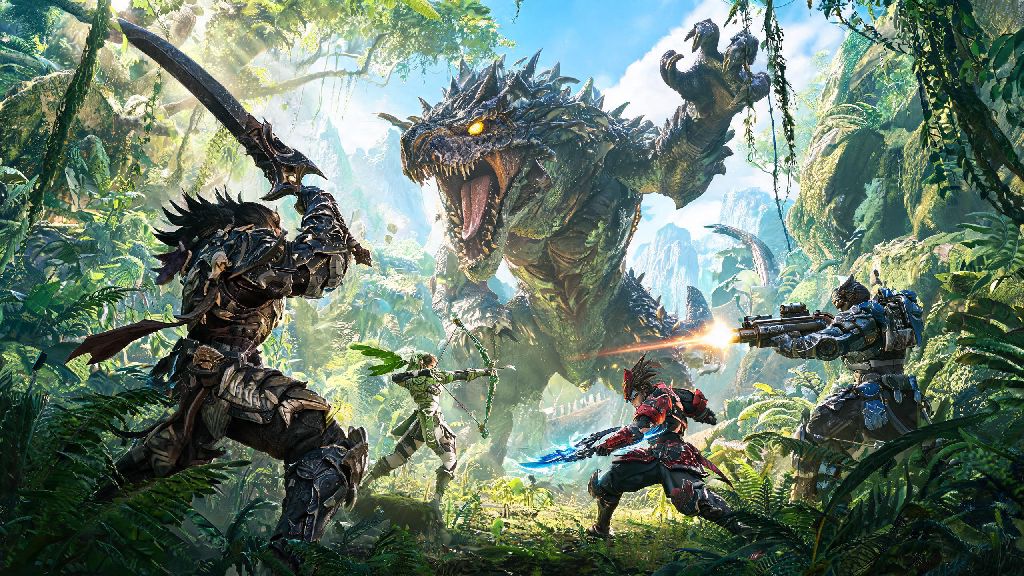
If you’ve ever booted up a Monster Hunter game and froze staring at the 14 weapon options on the starting screen, you’re not alone. I still remember staring at the class selection screen for 20 minutes when I first booted up the Wilds beta, overwhelmed by how different each weapon felt from the last Monster Hunter entry I played. Monster Hunter Wilds classes are more than just different weapon skins—each comes with unique movesets, skill synergies, and implicit roles that shape how you’ll interact with every hunt, large or small. I’ve spent dozens of hours testing every available class across solo and multiplayer hunts, and I’ve broken down what you need to know to skip the frustration of picking a bad fit for your playstyle.
Core Roles All Monster Hunter Wilds Classes Fall Into
Even with 14 distinct classes to choose from, every option fits into one of four core role categories, based on their playstyle, strengths, and ideal use cases. You don’t have to stick to one role forever, but knowing what each category offers will help you narrow down your options before you even test a single weapon. These roles are flexible too—many classes can cross into multiple categories depending on the skills you equip and how you build your character.
For example, if you’re the type who hates sitting back and waiting for openings, you’ll probably hate the Heavy Bowgun as much as I did when I first tried it. It’s slow, requires constant ammo management, and punishes you for getting too close to the action. But if you love carefully planning attacks and supporting your team with stuns and status effects, it might be your favorite pick.
Beginner-Friendly Classes to Try First
The best part about Wilds is that you don’t have to commit to one class forever—you can switch any time between hunts, so it’s fine to test a few before you settle on a favorite. If you’re new to the Monster Hunter series entirely, these three classes are the most forgiving, with simple movesets that teach you core game mechanics without punishing you for small mistakes.
Great Sword is the perfect starting point for new players who want simple, high-damage attacks without complex combos. Its moveset is limited to heavy charged slashes and quick guard counters, so you don’t have to memorize 20 different input chains to be effective. It also has one of the highest raw damage stats in the game, so even a well-timed charged hit can knock a small monster out in one shot. The only real downside is its slow swing speed, which teaches you to watch monster attack tells carefully instead of spamming attacks.
If you prefer faster, more flexible play, Sword and Shield is the ideal beginner pick. It lets you block incoming attacks, use items without sheathing your weapon, and deal quick, consistent damage. I recommend this to all my friends who are new to the series because it teaches you core Monster Hunter mechanics—timing dodges, watching monster tells, using items at the right time—without punishing you for small mistakes. It’s also one of the best support classes for multiplayer, so it’s a great pick if you mostly hunt with friends.
For players who prefer ranged play, Light Bowgun is way more forgiving than the Heavy Bowgun or Bow for new players. It’s fast, has simple ammo management, and lets you stay far enough away from monster attacks that you don’t have to perfect your dodge roll timing right away. You can also use it to apply a wide range of status effects, making it a great fit for both solo and group hunts.
Don’t feel pressured to pick a "meta" class when you’re starting out. The most important thing is that you’re having fun, even if you’re not dealing the highest damage in every hunt.
Advanced Classes for Experienced Monster Hunter Players
If you’ve put hundreds of hours into previous Monster Hunter entries and want a challenge, Wilds has plenty of classes that will test your skills and reward you for mastering their complex mechanics. These classes aren’t recommended for new players, but they’re some of the most satisfying to play once you get the hang of their loops.
Charge Blade is one of the most popular high-skill classes in the game, and for good reason. It blends sword and shield play with a heavy axe form that deals massive burst damage, but it requires you to manage phial charges, switch forms mid-combo, and time your attacks perfectly to get the most out of it. I spent 10 hours just practicing the basic combo loop for Charge Blade before I felt comfortable using it on high-rank hunts, but the payoff of landing a full phial burst on a monster’s weak point is unbeatable.
Another great advanced pick is the Insect Glaive, which lets you vault into the air, mount monsters easily, and use a kinsect to collect buffs from the monster throughout the hunt. It’s one of the most mobile classes in the game, but it requires you to track three separate buffs at all times, adjust your playstyle when you’re airborne, and keep your kinsect upgraded to deal maximum damage. It’s the perfect pick for players who hate being stuck on the ground and want to approach fights creatively.
If you’re trying an advanced class for the first time, I recommend practicing on low-rank monsters first before bringing it into a high-difficulty multiplayer hunt. You don’t want to be the reason your team wipes because you’re still learning how to switch forms mid-fight.
How to Test and Find Your Perfect Class Fit
There’s no "best" class in Wilds, and the right pick for you depends entirely on how you like to play games. You don’t have to stick with the first class you pick, and there’s no wrong choice as long as it feels fun for you.
First, always test classes in the training area first. The training area in Wilds lets you test every class’s full moveset without the pressure of a monster attacking you. Spend 10 minutes with each class that sounds interesting, and see if the basic controls feel natural to you. If you find yourself fumbling with inputs and getting frustrated, it’s probably not the right pick for you, no matter how "meta" it is.
Once you’ve narrowed down your options to 2 or 3 classes, take each one on a 1-star hunt for a small monster like Kulu-Ya-Ku. Pay attention to how you feel during the hunt: Are you bored because the attacks are too slow? Are you stressed because you can’t keep up with the combo chain? Those are clear signs the class isn’t a good fit, even if you’re clearing the hunt successfully.
If you mostly hunt with a team, test your chosen class in a group to see how it fits your team’s composition. For example, if all your friends play aggressive melee classes, you might have more fun picking a ranged support class to apply status effects and keep them healed, instead of picking another melee class that fights for space near the monster’s weak point.
You can swap classes at any time, so don’t feel like you’re locked into one choice for your entire playthrough. I swap between Great Sword for solo hunts and Sword and Shield for multiplayer all the time, and it keeps the game feeling fresh even after dozens of hours.
At the end of the day, Monster Hunter Wilds classes are designed to fit every type of player, whether you prefer slow, heavy hits, fast combo chains, or supporting your team from the backline. Don’t let tier lists or "meta" advice pressure you into picking a class you don’t enjoy. The best class for you is the one that makes every hunt feel fun, even when you’re getting your butt kicked by a tempered elder dragon for the third time in a row. If you’re still not sure where to start, grab the Great Sword and head out on your first hunt—you can always switch later if it’s not for you.