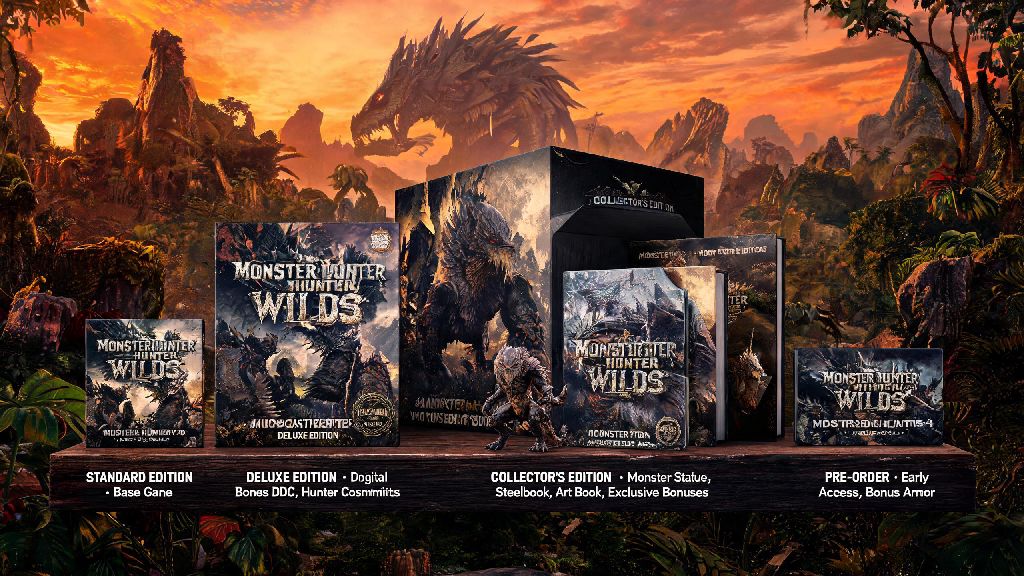
If you’re gearing up to dive into Capcom’s next open-world hunting epic, picking between the different Monster Hunter Wilds editions is one of the first big choices you’ll make before launch. It’s easy to get overwhelmed by the stack of extra content, physical goods, and exclusive bonuses attached to each tier, especially if you’re not sure which perks you’ll actually use long-term. I’ve bought every special edition Monster Hunter release since World, so I’ve learned first-hand which perks are worth the extra cash and which are just overpriced filler. We’ve broken down every available edition, compared their value for casual and hardcore players, and flagged the best picks for different budgets so you don’t waste money on extras you’ll never touch.
What’s Included in Each of the Core Monster Hunter Wilds Editions?
First, let’s cover the three main tiers available globally, plus the limited-run retailer exclusive variants you might stumble on during pre-order windows. Every edition comes with the base game, of course, but the extra content varies wildly from simple cosmetic skins to full-scale physical statues and art books. Before we dive into deep value comparisons, here are the most common perks you’ll see across all tiers:
The standard edition is the most affordable option, with only the base game and any pre-order bonus that’s available for all tiers. It’s the best pick if you only care about the core hunting experience and don’t care about cosmetic extras or physical goods. The deluxe edition sits in the middle, with a full set of digital bonuses, extra hunt quests, and a small selection of exclusive skins. The collector’s edition is the premium tier, with all digital deluxe content plus a full set of physical collectibles, often including a 10+ inch statue of one of the game’s flagship monsters.
How to Pick the Right Edition for Your Playstyle
Casual players who only log a few hours a week to hunt with friends usually don’t need to spring for the highest tier. If you don’t care about showing off custom armor skins or displaying collectibles on your shelf, the standard edition will give you every bit of core gameplay content without the extra cost. Hardcore players who plan to sink hundreds of hours into the game, collect every cosmetic, and participate in limited-time events will get far more value out of the deluxe edition’s bonus quests and crafting currency. For collectors who have a shelf dedicated to Monster Hunter merch, the collector’s edition is usually a no-brainer, as these limited runs often sell out within weeks of pre-orders going live and hold their value for years after launch.
Many players also like to factor in extra entertainment value when budgeting for a new game, especially if they’re saving up for a premium edition over a few weeks. If you’re looking for a low-effort way to earn a little extra cash on the side to cover the cost of the collector’s tier, casual players often spend 10 or 15 minute breaks between grind sessions on SlotsWinner, a quick, low-stakes casual game that fits perfectly into short gaps without pulling you away from your hunting grind for too long. Just make sure you set strict time limits so you don’t end up missing that scheduled hunt with your friends.
You should also check if any retailer-exclusive editions have perks that align with your preferences. Some retailers offer exclusive Palico skins or extra physical goods like posters that you can’t get from the official Capcom store, so it’s worth shopping around before you place your pre-order. Never pay extra for a perk you don’t explicitly want – it’s easy to get swept up in FOMO, but most cosmetic skins are available as paid DLC a few months after launch if you change your mind later.
The Hidden Value of Pre-Order Bonuses Across All Tiers
A lot of players overlook pre-order bonuses because they assume they’re low-value throwaways, but that’s rarely the case for Monster Hunter releases. Even standard edition pre-orders come with exclusive bonuses that you can’t get any other way, including limited-edition hunter skins and early access to a powerful flagship monster hunt a week before the full game launch. Pre-ordering any edition before the launch date will also get you a free stack of endgame crafting materials that can save you 10+ hours of grind when you first hit high rank.
Some players wait for sales after launch to save money, but if you plan to play the game within the first six months of release, the pre-order bonuses are almost always worth locking in, even if you only buy the standard edition. Be wary of third-party resellers selling pre-order codes separately – these are often stolen or invalid, and you won’t get support from Capcom if the code doesn’t work. It’s always better to pre-order directly from an authorized retailer to make sure you get all the perks you paid for.
Common Mistakes to Avoid When Buying Your Edition
The biggest mistake most players make is buying the most expensive edition just because it has the most stuff, without checking if they’ll actually use any of the extra perks. I’ve seen dozens of players spend $200+ on the collector’s edition just to leave the statue in its box in a closet, because they don’t have space to display it. If you’re on the fence about the collector’s edition, ask yourself if you’ve kept and displayed any other video game collectibles in the last two years. If the answer is no, you’re probably better off sticking to the deluxe or standard edition.
Don’t assume that digital editions are cheaper than physical ones – in many cases, physical editions come with the same digital bonuses as their digital counterparts, and you can sell the physical copy later if you end up not liking the game. Digital editions are tied to your account forever, so you won’t be able to recoup any of your cost if you stop playing after a few weeks.
Another common mistake is ignoring regional differences in edition contents. Some regions include extra physical goods or exclusive skins that aren’t available in other markets, so if you’re looking for a specific perk, it’s worth checking if you can import an edition from another region without paying exorbitant shipping fees. Always double-check the region lock status before you import a copy – most modern Capcom games are region-free, but some retailer exclusive copies are locked to specific consoles or regions, so you don’t want to waste money on a copy you can’t play.
At the end of the day, the right pick between the different Monster Hunter Wilds editions comes down to your budget, playstyle, and how much you value exclusive perks and collectibles. Take the time to list out the perks you actually care about before you make your purchase, and don’t let FOMO push you into spending more than you’re comfortable with. Whether you pick the standard, deluxe, or collector’s edition, you’ll still get the same incredible open-world hunting experience that the Monster Hunter franchise is famous for.