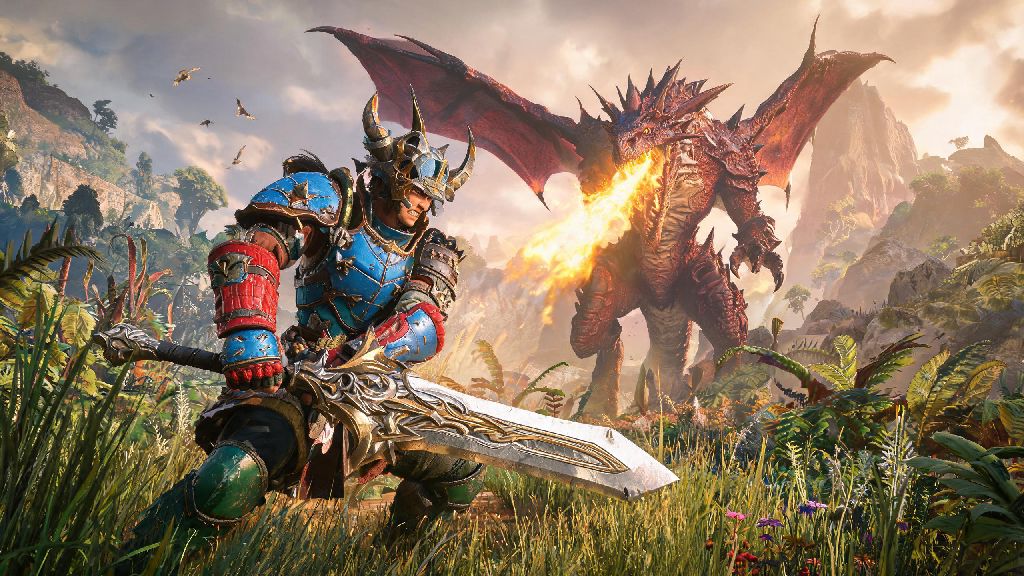
If you’re one of the millions of players who picked up the monster hunter wilds video game during its 2026 launch window, you already know how overwhelming its open-world hunts can feel at first. I spent my first 12 hours running in circles from fire-breathing wyverns, wasting rare healing items on avoidable hits, and crafting gear that was completely useless for the monsters I was tracking. This guide pulls from 40+ hours of playtime across low and high rank to help you skip those frustrating missteps and start enjoying hunts right away.
Pick the Right Starting Weapon Type for Your Playstyle (Don’t Follow Meta Blindly)
A lot of new players immediately look up 2026 meta tier lists and pick the highest-ranked weapon even if it doesn’t fit how they prefer to play games. For example, if you hate slow, heavy attacks that require precise timing, the Great Sword might have the highest damage per hit in the game, but you’ll miss 90% of your swings and spend more time knocked over than attacking. Test all 14 weapon types in the training area first before committing to one, even if you played previous Monster Hunter titles – the controls and move sets have been updated heavily for this entry.
You don’t have to make a permanent choice right away, but sticking to one weapon for your first 10 hunts will help you build muscle memory faster. If you’re not sure where to start, these three weapons are the most forgiving for new players:
That doesn’t mean meta builds are bad, but they’re usually designed for endgame high-rank players who already have hundreds of hours of experience. You’ll have way more fun if you pick a weapon that feels natural to you first, then tweak it to fit meta standards once you’re comfortable. Also, don’t forget to upgrade your weapon every 2 or 3 hunts – even a common grade weapon that’s fully upgraded will outperform a rare unupgraded one by a wide margin.
Master the 2026 Open World Mechanics to Cut Your Grind Time
The open world in Monster Hunter Wilds is three times bigger than the largest map from Monster Hunter World: Iceborne, and a lot of new players waste hours walking from one camp to another instead of using the new traversal tools. Unlock all 8 regional camps within your first 10 hours of play – you’ll get fast travel access to every corner of the map, and each camp has a supply box where you can restock items mid-hunt without going back to the main hub. The side quests to unlock camps are very short, usually only requiring you to collect 2 or 3 common materials, so they’re well worth the 10 minutes of effort each.
The new mount system lets you glide across cliffs and run through rough terrain without stamina costs, so don’t stick to walking on main paths. You can find rare gathering spots and hidden monster nests off the beaten path that give you rare crafting materials you won’t find anywhere else. You can even use your mount to charge into smaller monsters to knock them out instantly, saving you the trouble of fighting them manually when you’re trying to reach a hunt target.
If you’re struggling to track a specific monster, use the new scout fly marking system – you only need to find 3 tracks of a monster to get a permanent map marker for it, no more wandering around guessing where it went. The scout flies will also point out nearby gathering spots and hidden items if you let them wander for a few seconds, so don’t ignore their prompts when they pop up on your screen.
Optimize Your Gear Loadouts for the Monster Hunter Wilds Video Game Hunt Ahead
A lot of new players just equip the highest defense gear they have and head into hunts, but that’s a mistake that will get you carted over and over again in high rank. Always check a monster’s elemental weakness before you leave the hub – for example, a fire-resistant armor set will cut fire damage from a Rathalos by 40% or more, even if its base defense is 10 points lower than a neutral set. You don’t need a separate set for every single monster, but having 4 specialized sets for fire, water, thunder, and ice damage will carry you through almost every low and high rank hunt.
One of the best quality of life updates in the monster hunter wilds video game is the loadout save feature, which lets you save up to 10 different gear loadouts so you don’t have to swap out pieces manually before every hunt. You can even save item loadouts to go with each gear set, so you don’t accidentally leave home without tranq bombs or elemental coatings for your weapon.
Also, don’t sleep on decoration slots – even low-level decorations that give you +10 to stamina or attack will make a huge difference in long hunts. You should also keep a stack of emergency items in your item pouch at all times: 10 mega potions, 5 rations, 3 shock traps, and 2 tranq bombs for capturing monsters. Capturing a monster instead of killing it gives you 2 to 3 extra rare crafting materials, so it’s always worth the extra effort if you’re farming for gear parts.
Learn Monster Attack Patterns Instead of Relying on Dodge Spam
I see so many new players mashing the dodge button every time a monster moves, and that’s the fastest way to run out of stamina and get hit with a one-shot attack. Spend your first 2 minutes of every hunt just watching the monster’s moveset instead of attacking. Every monster has clear tells before it uses a big attack: a Rathian will rear back its head for 2 full seconds before spitting poison, a Tigrex will stomp its front legs twice before charging, a Barioth will flick its tail to the side right before it does a sweeping ice attack. Once you learn those tells, you won’t have to guess when to dodge or block.
If you’re playing with a team, don’t all attack the monster’s head at the same time – you’ll knock each other over and waste attack windows. Assign roles if you can: one player draws aggro with a heavy weapon, one attacks the tail to cut it off for extra materials, one uses status effects to stun or paralyze the monster, and one stays back to heal the team if needed. You don’t have to stick to those roles strictly, but having a loose plan will make hunts go twice as fast.
That said, don’t stress if you cart a few times while learning a new monster. Even veteran players cart 2 or 3 times the first time they fight a new endgame monster, and you don’t lose any progress except the items you used during the hunt. You can even join other players’ hunts for monsters you’re stuck on, and most teams will be happy to help you out as long as you don’t run in and die immediately.
At the end of the day, the monster hunter wilds video game is supposed to be fun, not a chore you have to grind through to beat. Take your time learning the mechanics, experiment with different weapons and gear builds, and don’t be afraid to ask more experienced players for help if you’re stuck on a tough hunt. The 2026 community is still really active and welcoming to new players, so you’ll find plenty of teams willing to help you farm for rare materials or beat a tough high-rank monster. With the tips we’ve covered here, you’ll be able to skip most of the frustrating beginner mistakes and start enjoying everything the game has to offer in no time.