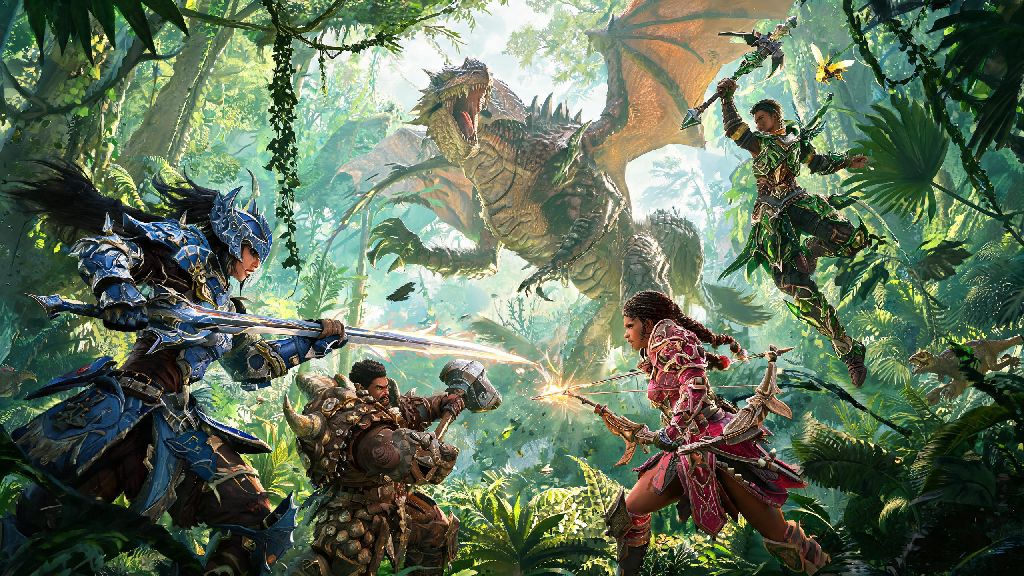
If you’ve scrolled gaming social media at all in the past few weeks, you’ve almost certainly heard chatter about the Monster Hunter Wilds Steam record. The Monster Hunter Wilds Steam record isn’t just a win for Capcom, either – it’s a win for long-time fans who’ve been singing the franchise’s praises for decades. As a long-time Monster Hunter fan who put 400+ hours into World and 600 into Rise, I was shocked to see the numbers roll in on launch weekend, and I wanted to break down exactly what this record means, how it happened, and what it signals for the future of the game.
What the Monster Hunter Wilds Steam Record Actually Measures
First, it’s important to clarify exactly what this stat tracks, because a lot of people mix up concurrent player counts with total sales numbers. This record counts the maximum number of people actively playing the game on Steam at the exact same time, not the total number of copies sold across all platforms. At its peak on launch day, the game hit 472,613 concurrent players on Steam, making it the third biggest Capcom launch of all time on the platform, behind only Resident Evil 4 Remake and Resident Evil 2 Remake.
This Monster Hunter Wilds Steam record is even more impressive when you compare it to the performance of previous entries. Monster Hunter World, the game that first brought the franchise to mainstream western audiences, only hit a peak of 329,333 concurrent players on Steam at launch. Wilds beat that number by nearly 45% on its first day, even with many players choosing to buy the game on PS5 or Xbox Series X/S instead of PC.
It’s also worth noting that this number only counts Steam players, not people playing through other PC launchers or on console. If you added cross-platform concurrent players, the total peak launch day count would almost certainly be over 1 million, which is a massive milestone for a franchise that was considered niche outside of Japan just 10 years ago.
3 Core Factors That Drove the Record-Breaking Launch
It’s easy to chalk the record up to “good marketing”, but there are specific, deliberate choices Capcom made that led to this level of launch day success. I’ve followed the game’s marketing cycle closely, and these are the three biggest drivers I noticed:
All of these choices combined to push the Monster Hunter Wilds Steam record far past even the most optimistic pre-launch predictions. That doesn't mean marketing didn't play a role, of course. Capcom ran ads across TikTok, Twitch, and YouTube gaming channels for months, and they partnered with dozens of popular streamers to play the game in the week leading up to launch. But without the solid foundation of a polished, player-focused product, those marketing efforts wouldn't have translated to such a high concurrent player count.
What This Record Means for Regular Wilds Players
If you’re already playing Wilds, you might be wondering if a Steam player count record actually affects your day-to-day experience with the game, and the short answer is yes, in mostly good ways. First, a larger active player base means faster matchmaking for hunts, even for lower-tier early game monsters that usually have empty lobbies a few weeks after launch. I’ve had no trouble finding full lobbies for 2-star hunts two weeks post-launch, which is a huge improvement over Rise, where I was waiting 10+ minutes for low-tier hunts just a week after it came to PC.
The Monster Hunter Wilds Steam record is a clear signal to Capcom that the open-world direction of the franchise is what players want, so we can expect future entries to build on that design instead of walking back to the more segmented map design of older games. I’ve already seen a ton of new players posting about their first successful hunts on Reddit and Discord, and that influx of new blood is directly tied to the Monster Hunter Wilds Steam record bringing more attention to the game.
The only real negative right now is occasional server congestion during peak hours, especially on weekend evenings. I’ve been kicked from a lobby twice in the past week because of server overload, but Capcom has already released two small patches to improve server stability, so that issue should clear up quickly. The biggest long-term benefit is that Capcom almost always allocates more post-launch content to games that perform well at launch. Wilds has already been confirmed to get 5 years of content support, but the record-breaking player count means we’ll likely get more crossover events, more new monsters, and more quality of life updates than originally planned.
Will the Monster Hunter Wilds Steam Record Hold Long Term?
Plenty of AAA games break concurrent player records at launch, only to see 70% of their player base drop off a month later, so I’ve gotten a lot of questions from friends in the Monster Hunter community about whether Wilds can hold onto its momentum. First, early retention numbers look surprisingly strong – as of two weeks post-launch, the average daily concurrent player count is still sitting at over 200,000, which is higher than World’s average daily count a year after it launched.
A lot of people were worried that Wilds would be too similar to World to pull in new players, but the Monster Hunter Wilds Steam record proves those concerns were unfounded. The open-world design means there’s way more side content to explore outside of hunts, and the endgame grind is far less repetitive than previous entries. I’ve been playing for 30 hours already, and I still haven’t uncovered half of the map’s hidden areas or collected all of the endemic life.
That doesn’t mean the record will never be broken, of course. There’s a good chance we’ll see an even higher concurrent player count when the first major expansion drops in a couple of years, especially if Capcom adds highly requested features like underwater combat or more crossover content with popular franchises. Even if the day-to-day player count drops a bit over the next few months, the Monster Hunter Wilds Steam record will still stand as a landmark moment for the franchise. It’s clear proof that Monster Hunter is no longer a niche Japanese franchise, it’s a mainstream AAA heavyweight that can compete with the biggest names in gaming.
At the end of the day, the Monster Hunter Wilds Steam record is more than just a fun stat for gaming news sites to report on. It’s a sign that Capcom’s commitment to listening to player feedback, polishing their products before launch, and making the franchise more accessible to new players has paid off in a huge way. If you’ve been on the fence about picking up Wilds, there’s never been a better time to jump in – the player base is huge, the servers are getting more stable by the day, and there’s years of new content on the way. I know I’m going to be sinking hundreds more hours into the game over the next few years, and I can’t wait to see what Capcom has planned next.