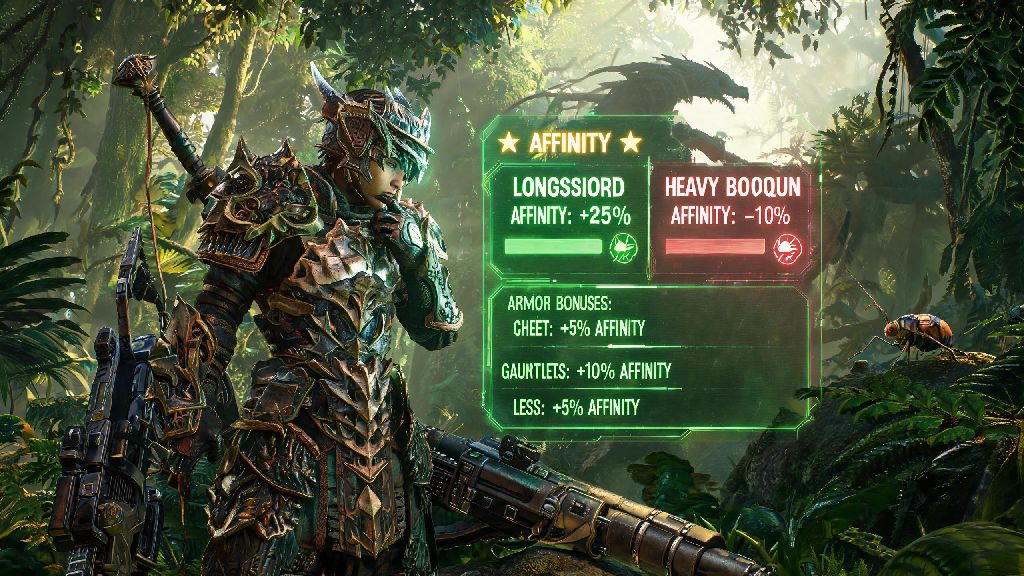
If you’re just diving into 2026’s Monster Hunter Wilds after spending hundreds of hours in older entries, you’ve probably noticed the affinity stat pops up on every weapon and armor skill description, but you might not be fully clear on how it works in the latest entry. I spent my first 15 hours with the game ignoring affinity entirely, chasing the highest raw damage weapons I could find, and I couldn’t figure out why my hunt times were so inconsistent. By the time I did my deep dive on what does affinity do in Monster Hunter Wilds, I’d already wasted hours grinding for gear that didn’t fit my playstyle, so I put together this guide to help you skip that frustration.
What Does Affinity Do in Monster Hunter Wilds: Core Mechanics Breakdown
At its most basic, affinity is your chance to land a critical hit or a negative hit on any attack you land. Unlike older Monster Hunter games where critical hits gave a 25% damage boost, 2026’s Wilds bumps that bonus up to 30% extra damage for positive affinity procs. If your affinity is negative, you have that percentage chance to land a hit that only deals 75% of your normal damage, which can tank your overall damage output fast if you’re not prepared for it.
One of the biggest new changes for Wilds is that affinity procs apply to both raw and elemental damage, which wasn’t the case in Rise. That means elemental build players get just as much value from affinity as raw build players, which opens up way more build options than we’ve had in previous entries. I tested this with a fire dual blades build last week, and my elemental critical hits were dealing almost double the damage of my non-crit hits on a weak ice monster, which was a huge surprise.
How to Stack Affinity for Optimal Hunt Performance
You don’t need to hit 100% affinity to get great value out of the stat, but there are a few reliable ways to stack it to hit your ideal rate, depending on your build and playstyle. Most veteran Wilds players aim for 60-70% base affinity on their gear, since there are easy temporary and contextual buffs that can push you to 100% when you need it.
These are the most common, accessible sources of affinity in 2026’s Wilds:
If you’re the type of player who consistently hits weak points and always eats a buff meal before hunts, you can get away with as little as 45% base affinity on your gear to hit 100% uptime during hunts. That frees up skill slots for other buffs like Attack Boost or Elemental Crit, which can push your damage even higher.
When Negative Affinity Is Worth Taking in 2026 Builds
You’ll run into a lot of high-raw weapons in Wilds that have negative affinity, and it’s easy to write them off entirely, but that’s not always the right call. There are specific builds and playstyles where negative affinity weapons actually outperform every positive affinity option, as long as you build around their downside.
The biggest game-changer for negative affinity builds is the new Negative Crit Null skill, which you can get from endgame Bazelgeuse armor. This skill completely eliminates the penalty for negative affinity, so you get all the benefits of the high raw damage without any chance of landing low-damage hits. For example, the endgame Goss Harag greatsword has 380 raw damage and -25% affinity, but with Negative Crit Null, it outperforms every other greatsword in the game for raw-focused playstyles, even those with 30% innate positive affinity.
If you don’t have access to Negative Crit Null yet, you should avoid weapons with more than 15% negative affinity. The math works out that the lost damage from occasional negative procs will outweigh the extra raw damage you get from the weapon, so you’re better off sticking to a lower raw, positive affinity option until you can unlock the skill.
Common Affinity Mistakes New Wilds Players Make
After playing Wilds for almost 200 hours since its 2026 launch, I’ve seen the same affinity mistakes pop up over and over again with new players, and most of them are easy to avoid once you know what to look for.
The first mistake is ignoring affinity entirely to chase the highest raw damage number. I see new players all the time picking a weapon with 10 more raw damage but -20% affinity over a lower raw positive affinity option, and they can’t figure out why their hunt times are so inconsistent. Affinity has a bigger impact on your average damage than small increases in raw damage for most build types, so always factor it in when you’re comparing weapons.
Another common mistake is stacking way too much affinity, to the point where you’re wasting skill slots. If you’re running 90% base affinity plus the 20% weak point bonus, you’re overcapping the stat, and those extra skill points would be better spent on Attack Boost, Partbreaker, or Stamina Surge, all of which give you more tangible benefits once you hit 100% affinity uptime. I made this mistake with my first longsword build, and I gained 15% more average damage after swapping 3 levels of Critical Eye for 3 levels of Attack Boost.
The last big mistake is forgetting that affinity doesn’t apply to status effects. If you’re running a paralysis or poison build, you don’t need to stack affinity at all, since status proc chance is unaffected by critical hits. You’re better off putting those skill points into Status Attack Up to get faster procs instead.
At the end of the day, understanding what does affinity do in Monster Hunter Wilds is one of the first steps to moving from a casual hunter to a player who can take down even the hardest endgame monsters in under 10 minutes. You don’t need to stress about hitting perfect affinity numbers right away, but experimenting with different rates and build combinations will help you find what works best for your favorite weapon and playstyle. The 2026 changes to the affinity system make it more flexible and rewarding than ever, so don’t be afraid to try out that negative affinity weapon if you have the build to support it.