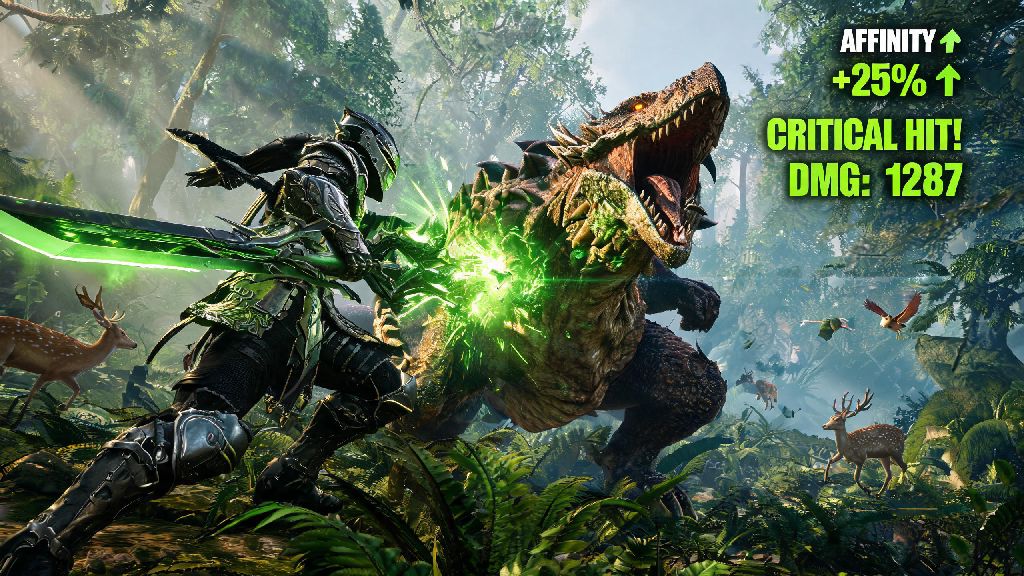
If you’ve jumped into the 2026 launch of Monster Hunter Wilds and found yourself squinting at weapon stat screens mid-hunt, you’ve almost certainly run into the affinity stat without realizing what it does. Many new players brush it off as a vague “critical hit” metric, but it’s far more impactful than most basic guides let on. What is affinity in Monster Hunter Wilds, exactly, and how can you tweak your build to make the most of it? We’ve logged 120+ hours of playtime since the game’s launch to break down everything you need to know, no confusing jargon included.
What is Affinity in Monster Hunter Wilds, Core Mechanics Explained
At its most basic level, affinity is a percentage that represents your chance to deal modified damage on any given hit. Positive affinity gives you that percent chance to deal 25% extra damage on a hit, while negative affinity gives you that percent chance to deal 25% less damage on a hit. I used to ignore affinity entirely on my first 10 hunts, running a greatsword with -15% affinity because it had 30 more raw attack than my other option. I couldn’t figure out why I was consistently missing the big 1k+ damage numbers other players posted, until I ran the math: that negative affinity meant I was losing 25% damage on 1 out of every 7 hits, which added up to almost 1000 lost damage per long hunt.
One key change for 2026’s Wilds release is that affinity no longer caps at 100%, a rule that existed in every previous Monster Hunter title. Every point over 100% adds a 0.25% permanent damage boost, so 120% affinity gives you a guaranteed 25% crit bonus plus an extra 5% base damage on every hit. That’s a game-changer for endgame builds that previously stopped stacking affinity once they hit the old cap. It also opens up new build paths for players who prefer to stack temporary buffs mid-hunt instead of building for max affinity on their static gear.
Key Affinity Bonuses Most Players Miss in 2026’s Wilds Meta
Most basic guides only cover the core critical hit function of affinity, but Wilds adds several hidden, unlisted synergies that make it far more powerful than you might expect. Many of these are exclusive to the 2026 release, so even veteran Monster Hunter players might not know about them if they haven’t spent time testing builds. For example, affinity now applies to both raw and elemental damage, which means elemental bow and dual blade builds get far more value from high affinity than they did in Monster Hunter Rise.
Some of the most useful hidden affinity bonuses we’ve tested so far include:
I tested these bonuses last week while farming the new elder dragon, Luminoth Bazelgeuse, and the part break affinity alone cut my hunt time by almost 3 minutes. That’s the difference between fainting to its final enraged attack and walking away with a rare gem drop. If you’re still confused about what is affinity in Monster Hunter Wilds at a basic level, think of it as a consistent damage boost that rewards you for targeting weak points and using your silkbind abilities strategically.
How to Stack Affinity Effectively for Any Playstyle
The best way to stack affinity depends heavily on the weapon you use, but there are a few universal rules that work for every build. First, prioritize skills that give you affinity for actions you already take, instead of skills that give flat affinity for no extra work. Weakness Exploit is the best example of this: it adds 50% affinity when you hit a monster’s known weak point, as long as you’ve broken that part first. For most builds, Weakness Exploit gives you more affinity per skill slot than any other skill, so it’s always worth picking up first if you’re comfortable targeting monster weak points.
Affinity decorations are the easiest way to fix negative affinity early game, especially if you prefer heavy weapons like greatswords or hammers that often come with negative affinity to balance their high raw damage. Each level 1 affinity decoration adds 5% affinity with no downsides, so you can offset a -20% affinity weapon with just 4 common decorations that you’ll unlock as early as the start of high rank. Critical Eye is another solid option if you have extra skill slots, adding 5% affinity per level up to 35% total affinity at max level.
If you’re still in low rank, don’t stress about stacking affinity yet. Wait until you hit high rank in 2026’s Wilds endgame, where you have access to better decorations and armor sets that let you balance affinity, raw damage, and elemental damage without making tradeoffs that hurt your playstyle. It’s never worth dropping 2 levels of evade extender or stun resistance just to get 10% extra affinity early on, when most low rank monsters die in 10 minutes or less anyway.
Common Affinity Build Mistakes to Avoid in 2026
One of the most common mistakes new players make is stacking affinity at the cost of all other stats. I’ve seen so many new players build 100% affinity sets with barely any raw or elemental damage, wondering why their hits still don’t hit hard. Affinity is a multiplier, not a flat damage boost, so you need a solid base of raw or elemental damage to make it worth it. A build with 50% affinity and 800 raw attack will deal more consistent damage than a build with 100% affinity and 500 raw attack, every single time.
Another mistake is ignoring negative affinity on high raw weapons entirely. A -20% affinity greatsword might seem like a good deal for its 900 raw attack, but that 20% chance to lose 25% damage adds up fast, especially if you don’t have critical boost to offset the penalty. You only need to offset 2/3 of a weapon’s negative affinity to make it worth using, so if you have a weapon with -30% affinity, adding 20% affinity from skills will eliminate most of the downside while letting you keep that high raw damage.
Finally, many players build exactly 100% affinity, forgetting about the temporary silkbind and part break buffs we covered earlier. Since affinity over 100% gives you that permanent damage boost, it’s better to build for 80% affinity naturally, then let the temporary buffs push you over 100% for extra damage. That frees up skill slots for other useful skills like stun resistance or evade extender. I made this exact mistake on my first endgame long sword build, wasting 8 skill slots to hit 100% affinity, when I could have dropped to 80% and added evade extender level 3, which would have saved me from half the faints I had during the final story boss fight.
At the end of the day, what is affinity in Monster Hunter Wilds? It’s one of the most flexible, high-impact stats you can use to tweak your build to fit your playstyle, whether you prefer fast, aggressive dual blade attacks or slow, heavy greatsword swings. The 2026 changes to the affinity system make it far more useful than it was in previous entries, so even small tweaks to your affinity levels can cut your hunt times significantly and make even the toughest endgame monsters feel manageable. Don’t be afraid to experiment with different affinity levels as you unlock new armor and weapons — you might be surprised how much of a difference a 10% boost can make.