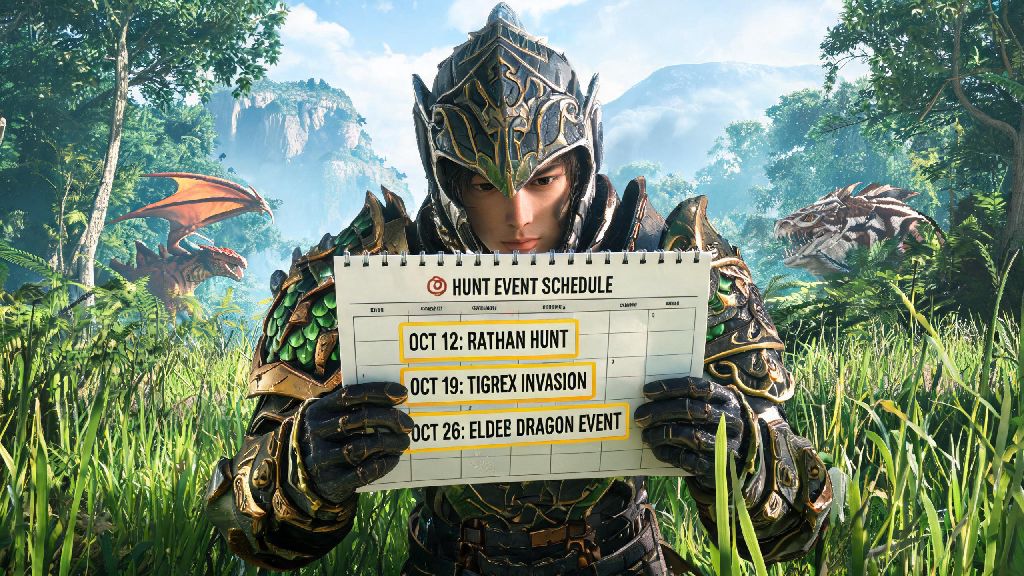
If you’ve ever logged into Monster Hunter Wilds only to find the limited-time event you’ve been waiting for ended 12 hours earlier, you know how frustrating that feeling is. Missing out on exclusive layered armor, rare decorations, or crossover collab gear because you didn’t track the monster hunter wilds events schedule is a mistake even veteran hunters make from time to time. I’ve been playing the Monster Hunter series since 3 Ultimate, and I’ve lost count of how many rare event rewards I missed because I forgot to check upcoming event dates. This guide breaks down everything you need to know to stay on top of event timelines and get the most out of every limited run.
Key Details Included in the Official Monster Hunter Wilds Events Schedule
Capcom publishes a updated schedule every two weeks, and it covers all upcoming event types for every rank of player. You don’t have to dig through obscure forum threads to find accurate info, either, as the schedule is posted directly to official Monster Hunter channels and the in-game news board. The first thing you’ll notice when you look at the schedule is that events are split into four core categories, each with their own timelines and reward structures.
Weekly challenge events reset every Wednesday at 00:00 UTC, and these usually feature single-target hunt quests with bonus reward drops for specific materials. They’re perfect for players who only have a couple hours a week to play, as most can be completed in 15 to 20 minutes per run. Seasonal events run for 4 to 6 weeks on average, and these include holiday-themed quests, new monster hunts, and large-scale community challenges that require thousands of players to contribute to a global goal to unlock special rewards for everyone.
The schedule also lists crossover collab events, which usually run for 3 to 4 weeks, and rare one-off community events that only run for 24 to 48 hours. You’ll also find clear notes about any rank requirements for each event, so you don’t waste time prepping for a master rank event if you’re still working through low rank story content.
How to Maximize Rewards From Every Scheduled Event
Showing up to an event on time is only half the battle if you want to get all the rewards you’re after. A little bit of prep before an event launches can cut your grind time in half, and help you avoid wasting hours re-running quests for drops you could have gotten on your first try. The biggest mistake new players make is jumping into event quests without checking what rewards are offered first, and ending up with a bunch of materials they don’t actually need.
Always prioritize event quests that reward exclusive armor or weapons you can’t get from regular story content. These items never show up in regular drop pools, so they’re worth prioritizing over quests that only give extra zenny or common materials. If you’re playing with friends, you can also stack reward bonuses by running event quests in 4-player co-op, as each player’s reward roll adds a chance for extra drops for the whole group.
Before any event you plan to participate in, run through this quick prep checklist to avoid unnecessary headaches:
I learned this checklist the hard way a few months back, when I skipped prep for a Kulu-Ya-Ku event that rewarded a limited-edition chef layered armor set. I got all the way to the end of the quest, only to realize I forgot to pack tranq bombs, and had to run all the way back to camp to grab them. By the time I got back, the Kulu-Ya-Ku had wandered off and despawned, and I wasted an entire run for no reason. Don’t make that same mistake.
Common Misconceptions About Event Schedules
There’s a lot of bad info floating around fan communities about how the Monster Hunter Wilds event schedule works, and a lot of it leads to players stressing out over nothing. One of the most common myths I see is that all events launch at the same time for every region. That’s not true, as some regional events are staggered by up to 24 hours depending on your time zone, so always adjust the schedule to your local time instead of relying purely on UTC if you don’t want to log in at 3am for no reason.
Another common myth is that once an event ends, it never comes back. Capcom regularly reruns popular original events, especially holiday-themed ones, so if you miss a spring or winter event one year, you’ll almost certainly get a chance to play it the next year. Collaboration events with other franchises are far less likely to rerun than original Monster Hunter themed events, though, so you should always prioritize those if you’re a completionist who doesn’t want to miss out on rare crossover gear.
A lot of new players also assume you need to be endgame master rank to participate in events, but that’s not the case either. Almost every event has separate quest tiers for low rank, high rank, and master rank players, so you can join in even if you’re only 10 hours into the main story. Low rank event rewards often include early-game armor sets that make progressing through the main story far faster, so it’s worth checking the schedule even if you’re still learning the basics of the game.
Best Ways to Stay Updated On Schedule Changes
You don’t have to check the schedule every single day to stay on top of upcoming events, but you do want to make sure you’re getting your info from reliable sources so you don’t fall for fake leaks. The most consistent source of updates is the in-game news board, which pops up every time you log in, and includes any last-minute changes to event timelines you might have missed.
Official Capcom social media accounts for the Monster Hunter franchise also post schedule updates as soon as they go live, so following those is a good way to get alerts on your phone if you don’t log into the game every day. You can also join verified Monster Hunter community Discord servers, where volunteers post schedule updates and reminders for popular events, but make sure you only follow servers that link directly to official Capcom sources to avoid fake schedule posts from trolls.
The in-game news board is the most reliable source for last-minute schedule delays or event extensions. I’ve seen multiple instances where Capcom extended a popular event by a week because of server issues or high player demand, and the in-game alert was the first place the change was posted. If you only check one source for updates, make it the in-game board, as it never has outdated or incorrect info.
At the end of the day, the monster hunter wilds events schedule is designed to add extra fun to your play sessions, not give you another chore to check off your list. You don’t have to grind every single event if you don’t care about the rewards, and skipping a few events won’t put you at a disadvantage for endgame content. Pick the events that have rewards you actually want, do a little prep ahead of time, and you’ll get way more out of every run without burning out. The best part of Monster Hunter has always been playing the content you enjoy, and the event schedule exists to make that easier, not harder.