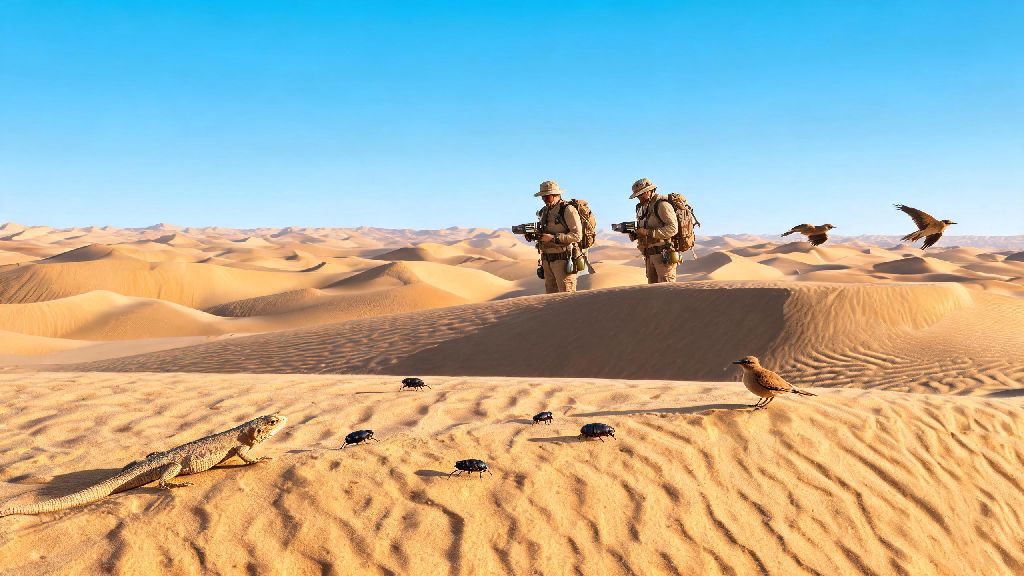
If you’ve spent even a few hours grinding for endgame gear in Monster Hunter Wilds, you’ve probably hit a wall where you need a specific rare resource to finish that perfect weapon or armor set. For a lot of late-game water and desert-focused builds, that missing piece is often Sandstar, and tracking down Monster Hunter Wilds Sandstar location spots can feel like looking for a tiny needle in a massive, dune-filled haystack. I still remember spending three whole hours running up and down the Sunscorch Dunes looking for my first Sandstar, because I had no clue it only spawned during the day. I’ve spent over 40 hours combing every corner of the game’s arid regions to map out every reliable spawn, so you don’t have to waste hours running in circles when you could be out hunting new monsters.
Core Monster Hunter Wilds Sandstar Location Spots You Can Farm Every Run
Sandstar only spawns in the game’s two arid, sand-heavy regions, and it never appears in forest, tundra, or wetland zones no matter how hard you look. You’ll find almost all reliable spawns in the Sunscorch Dunes, with a handful of extra spots along the edge of the Flooded Wastes where dry sand meets shallow water. It only grows on sun-exposed, smooth sand patches that are not covered in cactus or rock debris, so you can skip any rough, rocky areas entirely to save time.
You don’t need any special gear to collect Sandstar, just your standard gathering tool, but you will have to wait for in-game daylight hours to see it glow. It won’t spawn at night, so don’t waste your time checking these spots after the sun goes down. I’ve made that mistake three separate times before I caught on, so trust me on that one.
How to Tell You’re Looking at a Sandstar Node, Not Other Desert Collectibles
A lot of new players mix up Sandstar with common quartz nodes or desert shell spawns, since they all have a faint glow during the day. The easiest way to spot Sandstar is its pale, iridescent gold sheen that shifts to light blue when you get within 10 feet of it. Quartz nodes are pure white, and shell spawns are dull beige, so you’ll learn to tell the difference after a couple of runs.
Sandstar nodes also make a soft, chime-like sound when you walk near them, if you have in-game sound effects turned up. That's a super useful cue I only noticed after my fifth run, because I usually play with music blaring while I farm. If you’re having trouble spotting them, turn the music down for 10 minutes while you hit the spawn spots, and you’ll pick up the sound cue immediately. You can also equip the Gathering Scent skill to make all rare resource nodes glow brighter from farther away, which cuts your farm time in half.
What You Can Craft With Sandstar, and Why It’s Worth Farming
A lot of players skip farming Sandstar early on because they don’t see any immediate use for it, but it’s a core component for some of the best mid to late-game gear in the game. First, it’s required for the Sandveil Armor set, which has some of the highest heat resistance in the game, plus a 20% boost to gathering speed for all desert resources. That set is a game changer if you plan on spending a lot of time hunting Diablos, Barroth, or the new sand elder dragon added in the post-launch update.
It’s also used to craft the Goldedge Greatsword, one of the highest raw damage greatswords available before you hit endgame tempered monster hunts. You only need 8 Sandstar total to craft the full armor set and the sword, so one solid 20 minute farm run is enough to get all you need for both. If you plan on doing co-op hunts with friends, you can also trade excess Sandstar for other rare resources that only spawn in other regions, so it’s a great material to stock up on even if you don’t need it for your own builds right now.
Pro Tips to Farm Sandstar Efficiently Without Wasting Hunt Time
I’ve tested a ton of different farm routes for Sandstar, and the fastest one takes me right around 18 minutes to get 12 full Sandstar, with zero detours for monster fights. First, start your run at the Northern Sunscorch Dunes camp right at in-game dawn. Hit the 2-3 nodes there first, then ride your pet across the dunes to the Eastern Canyon Edge spots. Grab those 3-4 nodes, then cut south to the Flooded Wastes border to pick up the 1-2 nodes there.
Once you hit all those spots, fast travel back to the northern camp, wait 2 minutes for the nodes to respawn, and repeat. You don’t have to kill any monsters to farm these spots, but if a Diablos or Barroth is camped right on top of a node, just ignore it and move to the next one. Fighting them will waste 5-10 minutes of your time, and the node will be gone by the time you’re done with the fight. You can also bring a Stealth Charm with you to avoid drawing monster aggro while you’re gathering, which lets you run straight past roaming monsters without them stopping to attack you. That’s the single best upgrade you can bring to a Sandstar farm run, and I never leave camp without one now.
At the end of the day, tracking down Monster Hunter Wilds Sandstar location spots doesn’t have to be a frustrating chore, once you know exactly where to look and what to look for. Spend one 20 minute run hitting the spots we mapped out, and you’ll have more than enough Sandstar to craft all the gear you need for your desert hunts, plus extra to trade with friends or save for future build updates. Don’t forget to stick to daylight hours, listen for that soft chime sound, and bring a Stealth Charm to make the run even faster. Next time you’re gearing up to hunt that tempered Diablos you’ve been avoiding, you’ll have all the Sandstar you need to build the perfect set to take it down.